
OPPORTUNITIES
MOVE FOOD
FORWARD
YOUTH
MOVE FOOD
FORWARD
ENGAGEMENT
MOVE FOOD
FORWARD
SOLUTIONS
MOVE FOOD
FORWARD

SOLUTIONS
MOVE FOOD
FORWARD

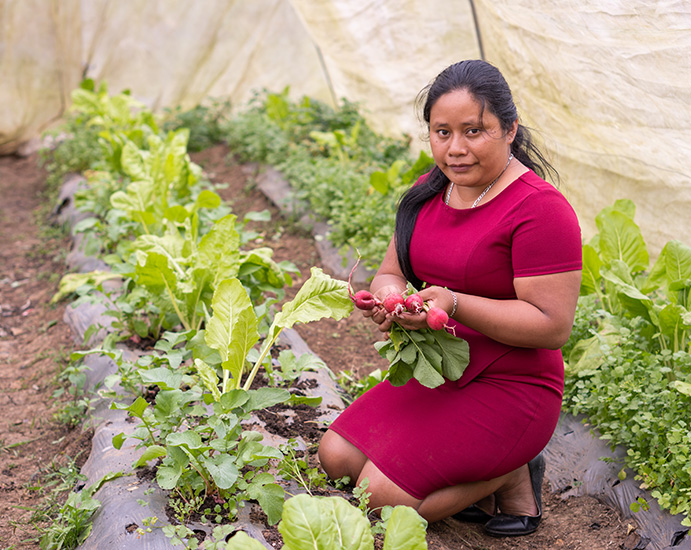

© FAO/VÍCTOR FARFÁN INGRID RAMÍREZ, AGED 27, CHECKS THE RESULTS OF WATER MANAGEMENT IN HER GREENHOUSE.
07 MAKING AGRIFOOD SYSTEMS WORK FOR YOUTH

© FAO/VÍCTOR FARFÁN INGRID RAMÍREZ, AGED 27, CHECKS THE RESULTS OF WATER MANAGEMENT IN HER GREENHOUSE.


© FAO/DAVID HOGSHOLT IN SINACABAN, MISAMIS OCCIDENTAL IN THE PHILIPPINES, ROSEMARIE BUSADRE, AGED 22, ARRANGES FISH FOR SALE.
- 07 Making agrifood systems work for youth
- Key messages
- Introduction
- Increasing supply of decent jobs
- Improving food security and nutrition
- Strengthening youth resilience in agrifood systems
- Increasing youth voice and agency
- Enhancing youth skills
- Expanding youth access to resources
- Way forward towards youth-inclusive agrifood systems
KEY MESSAGES
- Youth-inclusive agrifood systems transformation requires efforts that expand economic opportunities in the broader economy and empower youth with the requisite skills, agency and resources to harness available opportunities. These efforts acknowledge the diverse circumstances and needs of youth, address specific vulnerabilities and promote meaningful engagement for all.
- Broad-based productivity growth, both on and offfarm, stimulates rural and structural transformation and in many contexts is essential to make agrifood systems work for youth, raise incomes and create decent jobs across the wider economy.
- The creation of decent jobs for youth in agrifood systems requires broader reforms that promote the progressive formalization of economies, address widespread labour rights violations, enhance workplace safety, increase youth’s awareness of their rights and strengthen social protection systems for all.
- Creating an enabling environment for agrifood enterprises, through access to credit, training and infrastructure, can further boost youth job opportunities and promote economic stability
- Youth-specific nutrition policies that enhance access to healthy diets, strengthen food literacy and skills, and regulate harmful food marketing are essential for improving the food environment and promoting healthy eating habits.
- Youth-inclusive agrifood systems transformation demands strong commitments from diverse stakeholders, robust evidence, broader inclusion and greater investment. Sustaining and scaling progress calls for stakeholders to inquire more, include more and invest more to strengthen evidence, empower youth and accelerate structural change.
- Targeting youth with social protection programmes specifically designed to address their vulnerabilities, and that provide capacity development on sustainable and productivity-enhancing technologies, are crucial for building youth resilience to shocks, protecting assets, sustaining consumption and promoting productive activities.
- Youth agency, visibility and empowerment in policymaking spaces can be strengthened through meaningful participation in youth-led organizations and networks. Such collective action can help young people expand their influence and better navigate power relations.
- Inclusive policies that prioritize youth, adopt transformative approaches, and address existing agency and resource access barriers affecting vulnerable and marginalized young people, are critical to foster equitable participation opportunities for youth in agrifood systems.
- Youth need skills to harness agrifood opportunities and navigate shocks. Effective skills training programmes integrate access to productive resources, emphasize practical and hands-on learning, and adapt to youth and local market needs.
- More empirical evidence and age- and sexdisaggregated data are needed to better understand the diverse realities of youth in agrifood systems and assess the impact of programmes on their engagement, food security and resilience.
- Promoting youth engagement in agrifood systems is a strategic investment in global prosperity. Eliminating youth unemployment and integrating NEET youth aged 20–24 into the workforce could boost global GDP by 1.4 percent (USD 1.5 trillion), with agrifood systems alone contributing 45 percent of that estimated growth (USD 680 billion).

©VISIONTIME/MELANIE BOUTROS IN AMMAN’S CENTRAL MARKET FOR FRUITS AND VEGETABLES, A YOUNG VENDOR USES HIS SMARTPHONE TO PRICE AND TRACK PRODUCE AT HIS STALL. YOUTH ARE BRINGING DIGITAL INNOVATION TO TRADITIONAL AGRIFOOD MARKETS.
INTRODUCTION
Inclusive agrifood systems are vital to achieving global sustainability and prosperity. A key prerequisite to building more inclusive agrifood systems is youth engagement. Young people make up a significant share of the population in many countries, particularly those with traditional and protracted crisis agrifood systems. Accordingly, youth labour, advocacy and consumption patterns are essential for building resilient, equitable and prosperous agrifood systems. In countries with smaller and shrinking youth populations, young people are vital to filling labour gaps, driving innovations and revitalizing rural areas. As outlined in the conceptual framework in Chapter 1, successfully integrating youth into agrifood systems requires intentional efforts that expand economic opportunities and empower young people.
Historically, transforming agrifood systems through broad-based productivity growth, both on and off-farm, stimulates rural and structural transformation and has been key to job creation, income growth and poverty reduction.1 Investments that spur productivity growth create an enabling environment for agrifood enterprises, expanding opportunities for youth entrepreneurs and offering more rewarding jobs off-farm with better working conditions.2, 3 Moreover, improvements in agricultural practices, expanded market access and diversified local economies drive rural transformation with increases in the availability and accessibility of nutritious foods.4,5 Embedding sustainability, innovation and livelihoods diversification in the transformation process strengthens the resilience of communities, and the youth within them, enabling them to more effectively navigate economic and environmental shocks. Measures promoting broadbased productivity growth, designed to accelerate the transformation of agrifood systems and overall rural and structural transformation, are a cornerstone in the cuovide decent jobs, advance nutritional well-being and fostltivation of youth-inclusive agrifood systems, helping to prer resilience among the rising generation.

INTEGRATING YOUTH INTO AGRIFOOD SYSTEMS REQUIRES EXPANDING OPPORTUNITIES AND EMPOWERING THEM WITH SKILLS, AGENCY, AND RESOURCES.
However, growth in opportunities does not automatically translate into direct access for youth. Complementary efforts are needed to empower youth with the agency, skills and resources necessary to engage in and influence agrifood systems transformation processes and partake in the outcomes. Yet, youth participation in agrifood systems decision-making is often constrained. Strengthening youth as key stakeholders fosters ownership and ensures that policies and programmes adequately reflect their needs. Moreover, youth need specific skills and education to contribute effectively in agrifood systems that are increasingly knowledgebased and technology-intensive. However, as discussed in Chapter 3, many rural youth lack access to quality education and skills training. Socioeconomic barriers, poor educational infrastructure and a misalignment between educational programmes and the demands of modern agrifood systems have limited the ability of many young people to fully seize agrifood systems opportunities.6,7 At the same time, restrictive land tenure systems, inheritance laws that favour older generations, an absence of legal recognition for youth, lack of credit histories, limited social capital and discriminatory social norms collectively undermine young people’s access to critical resources needed to fully engage in agrifood systems, such as secure land, finance, technology, water, markets and market information (Chapter 3).8,9 Bridging these gaps is essential to harness the transformative potential youth bring to agrifood systems, which in turn can improve livelihoods and food security for both youth and society.
This chapter examines promising policies and programmes with the potential to engage youth and improve outcomes in agrifood systems. Drawing on policy analyses and experiences from past interventions, the chapter identifies approaches and design features that expand youth economic prospects while empowering them to actively drive and benefit from agrifood systems transformation. The chapter highlights two key dimensions: expanding youth opportunities and youth empowerment. In terms of opportunities for youth, the chapter focuses on programmes driving inclusive agrifood systems transformation to achieve three interconnected outcomes: 1) increasing supply of decent jobs; 2) improving food security and nutrition; and 3) strengthening resilience to shocks and stresses. In terms of empowerment, the chapter examines interventions in three interrelated areas: 1) enhancing youth voice and agency; 2) increasing skills acquisition and training; and 3) improving access to resources (see Figure 7.1). While discussed separately, these six areas are interdependent: progress in one area reinforces advancements in others, collectively creating an environment that enables youth to thrive and contribute to agrifood systems transformation. The chapter concludes with recommendations for moving forward, focusing on approaches to inquire more, include more and invest more to ensure that youth are at the centre of agrifood systems transformation.
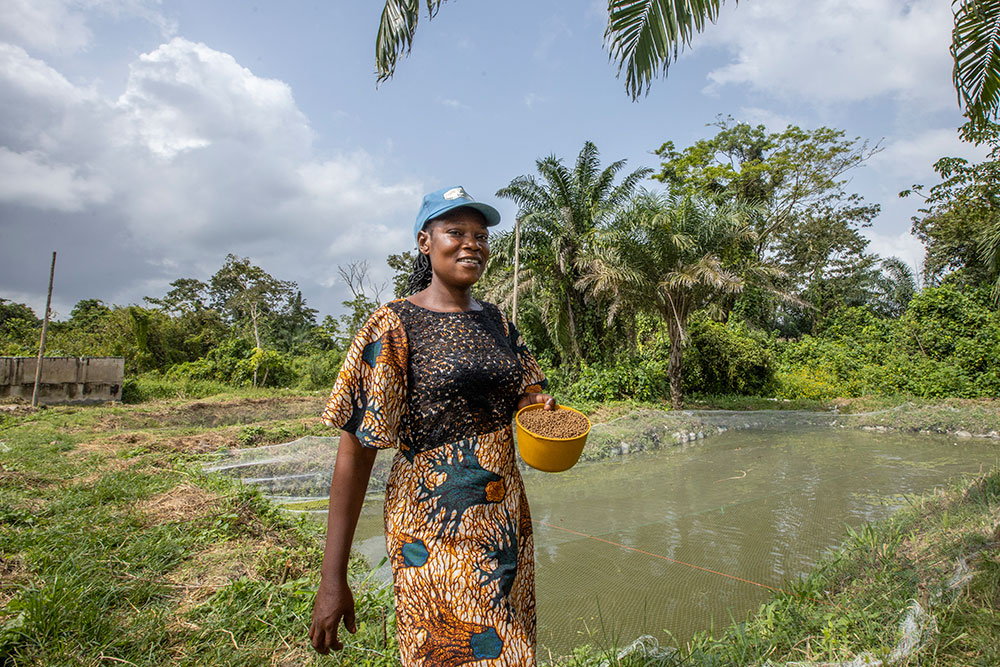
©IFAD/ANDREW ESIEBO IN OSI COMMUNITY NEAR AKURE, NIGERIA, FISH FARMER OMOTAYO SAMUEL USES TREE-LEAF EXTRACTS AS NATURAL ANTIBIOTICS AND RECYCLES NUTRIENT-RICH POND WATER TO GROW BOTH FISH AND VEGETABLES—EXEMPLIFYING RURAL ENTREPRENEURIAL RESILIENCE.
Figure 7.1
YOUTH-INCLUSIVE AGRIFOOD SYSTEMS DEMAND STRATEGIES THAT COMBINE BROAD-BASED TRANSFORMATION WITH YOUTH EMPOWERMENT

Source: Author's own elaboration.
INCREASING SUPPLY OF DECENT JOBS
Most rural youth reside in countries characterized by traditional or protracted crisis agrifood systems (Chapter 2) and rely in large part on agrifood systems for their livelihoods (Chapter 4). However, young workers fare worse than older workers across most dimensions of decent work, except in wages where no youth–adult wage gap was observed.10,11 Ensuring access to decent work is therefore critical for youth in agrifood systems.
The available evidence on programmes aimed at improving job quality focuses primarily on wagerelated aspects, with non-wage dimensions of decent work addressed less frequently. Studies specifically targeting job quality in agrifood systems are even rarer. Nevertheless, the available studies offer some insights into key areas of investment that could expand both the quantity and quality of decent work for youth.
FOSTER BROAD-BASED PRODUCTIVITY GROWTH FOR ACCELERATED STRUCTURAL TRANSFORMATION
Accelerating structural transformation is essential to address the lack of decent jobs in agrifood systems and to expand employment opportunities for youth. This transformation process is dependent on broad-based productivity growth – improvements in efficiency and output that encompass a wide range of actors and commodities across agrifood systems.1, 2, 3, 12, 14, 15 Unlike growth concentrated among a few actors and commodities, this inclusive approach often generates the multiplier effects needed to stimulate structural transformation.1, 2, 15 It is underpinned by climate-resilient and context-specific innovations that optimize resource use.16, 17 Typically generated through international and national research and development (R&D), and extension services.17 Public investment in agricultural R&D is highly cost-effective, with estimated social returns averaging over 40 percent annually.17–19 Yet funding remains low, especially in lower-income countries. As mentioned in Chapter 3, technology and innovations can encourage youth participation in agrifood systems, and research conducted as a public good helps to deliver cutting-edge agricultural innovations in developing regions.20
ACCELERATING STRUCTURAL TRANSFORMATION THROUGH PRODUCTIVITY-ENHANCING INVESTMENTS UNLOCKS AGRIFOOD JOBS AND ENTREPRENEURIAL OPPORTUNITIES FOR YOUTH.
However, complementary investments to enhance the flexibility of intellectual property laws and strengthen the capacity of national research systems are needed to support the adoption, contextualization and scaling of these innovations.21 Robust extension systems are equally essential to foster two-way learning between research institutions and actors in agrifood systems, encouraging forms of adaptation that align with real-world conditions and resource constraints.21
Investments in physical and digital infrastructure are similarly vital for promoting broad-based productivity growth in agrifood systems. Upgrading the coverage and quality of rural infrastructure (e.g. roads and reliable, affordable energy) reduces transaction costs and enhances connectivity. Improved road infrastructure, particularly paved roads, can address mobility challenges and create new economic opportunities. In rural areas, roads are often seen by young people as pathways to better income prospects, prompting shifts from agricultural work to formal labour market participation. Studies in India, for instance, show that road construction contributes significantly to helping young people, particularly women, transition out of agriculture into wage employment.22 Similarly, cross-sectional data from 31 countries in sub-Saharan Africa show that proximity to paved roads is associated with reduced probability of unemployment among rural youth, with stronger impacts for young women.23 In Morocco, enhanced road access led to increased secondary school enrolment among young women and a reduction in early marriages, likely due to improved commuting options. For young men, road improvements primarily facilitated access to wage employment, with only a limited impact on educational attainment.24
In addition, specific agrifood systems infrastructure projects related, for example, to irrigation systems and food processing facilities can bolster agricultural productivity, boost value addition and expand job opportunities along value chains.8, 16, 17 Furthermore, extending digital infrastructure to rural areas promotes innovation, strengthens rural-urban linkages and opens up new market opportunities for youth and other stakeholders.
Targeted public investments can create an enabling environment that incentivizes private-sector engagement in agro-based industries, promotes value addition and strengthens cross-sector linkages to transform agrifood systems into a dynamic sector where youth can thrive. An analysis of the Enabling Business in Agriculture indicator reveals that rural youth in countries with consistent improvements in their enabling environments experience higher returns on their labour in agriculture, as well as lower poverty rates.25 This underlines the importance of institutional reforms for youth livelihoods.
Regarding entrepreneurship, youth-led enterprises merit support but multiple studies show that rural youth entrepreneurship often fails to generate large-scale employment or sustainable livelihoods due to high start-up failure rates and limited resources.26 Meanwhile, enterprises managed by older adults frequently exhibit greater stability and a stronger capacity to employ young people.25 Evidence suggests that firm-level interventions aimed at more established agri-enterprises – those already performing well under local conditions – are likely to boost youth job opportunities.27 Moreover, targeting skills training to higher-productivity firms and strategic industries has yielded more job creation and economic growth than untargeted approaches.28 Supporting companies with solid market potential and growth prospects can effectively stimulate youth employment and contribute to broader economic development.
RAISE AWARENESS ABOUT AND PROTECT THE LABOUR RIGHTS OF YOUNG WORKERS
While demand for youth labour is growing, targeted policies and programmes are necessary to ensure decent employment. Such efforts should prioritize measures to protect the fundamental principles and rights at work, including freedom of association, elimination of all forms of forced or compulsory labour, the abolition of child labour, the elimination of discrimination, and a safe and healthy working environment.29, 30 Fairj and ethical recruitment practices and safe pathways for youth mobility are necessary to prevent labour abuses such as forced labour and debt bondage. In agrifood systems, improving labour standards is critical, especially given young people’s negative perception of agrifood systems jobs.32
The international legal framework for decent work is based on the International Labour Standards (ILS), a body of legal instruments developed by the International Labour Organization (ILO) that protects workers’ rights and includes youth-specific provisions.33, 34 However, implementation of this framework remains challenging, particularly in the context of agrifood systems, where informality is widespread. Informal workers in agrifood systems are often excluded from national labour laws or left unprotected due to weak enforcement, especially in rural areas34, 35 – in part due to the relatively high cost of compliance for informal enterprises. At the heart of this issue is a key dilemma – how to promote a progressive transition from the informal to the formal economy without undermining the informal sector’s role as a source of employment and income for youth and the overall population.36 Voluntary options such as responsible business conduct or approaches linked to third-party certification, including Fairtrade, can promote decent work in rural areas, although their ability to improve workers’ rights and address structural inequalities may vary by context.37–39
Awareness-raising initiatives and monitoring mechanisms involving all agrifood system stakeholders, including youth, have been used to uphold labour rights in some settings.40 In India, the “Youth Knowledge Hub” project raises awareness of decent income livelihood opportunities, supports skill development and empowers communities to form youth producers’ groups while encouraging young workers to become Fairtrade youth champions.41
Safety at work is also a key consideration for youth, and one that requires stronger occupational safety and health (OSH) measures, including raising awareness about reporting and notifying occupational injuries and illnesses.42 Initiatives such as the Youth in Agriculture e-Tool, for instance, offer resources on common agricultural hazards and practical safety solutions for both employers and young workers, raise awareness of OSH and facilitate youth-related injury reporting in agriculture.43 While research from low-income countries remains limited, existing studies emphasize the necessity of involving young workers, parents, employers and communities in protecting youth in the workplace.44, 45 They also indicate that educational interventions alone will not suffice. Creating a safe working environment for youth also demands policies, standards and regulations, and enforcement mechanisms.45 Local and participatory approaches, such as the low-cost work improvement in neighbourhood development (WIND) approach for farmers, although not youth-specific, has shown promise in improving OSH in informal rural settings.46, 47
Young migrants are particularly vulnerable to exploitation in the labour market and need specific support. Targeted information campaigns and migrant resource centres (MRCs) have been shown to improve access to safe migration and work-related information, while reducing intentions of youth to embark on unsafe migration through irregular channels.48, 49 For example, in Senegal, awareness campaigns lowered irregular migration intentions by 20 percent.50 Similar findings were observed in Guinea where awareness campaigns employed mobile cinema screenings.51 In Nigeria, a campaign reduced trafficking vulnerability by 50 percent and increased proactive steps toward safe migration by the same margin.49 Similarly, MRCs and pre-departure programmes equip migrants with crucial information.52 A study in Afghanistan, Bangladesh, Iraq and Pakistan found that counselling and orientation sessions significantly reduce irregular migration intentions and improve awareness of safe options.53 Indeed, India,55 Nepal,56 Senegal54 and Uganda are implementing radio campaigns, social media outreach and mobile resource centres to inform rural youth about migration risks, alternatives to migration and agrifood system opportunities, including climate-adaptive agriculture.
PROMOTING THE PROGRESSIVE FORMALIZATION OF AGRIFOOD SYSTEMS ECONOMIES
Supporting the progressive formalization of agrifood systems economies can improve job quality by encouraging businesses to comply with relevant laws and regulations.57 Achieving this goal requires lowering barriers to formalization and incentivizing enterprises to operate within the formal sector. Such efforts may include streamlining business registration processes to reduce costs and regulatory burdens and linking formalization to economic support programmes or benefits like tax incentives and government contracts. A project in Lebanon, for instance, required registration as a prerequisite for youth- and women-led agri-enterprises seeking assistance to develop export skills. This initiative encouraged formalization by demonstrating the advantages of belonging to the formal sector – such as access to markets and support programmes.58
Fostering group cooperation and access to social protection can help promote the progressive formalization of agrifood systems economies. Cooperatives and associations facilitate the transition to formality for youth and micro-entrepreneurs by pooling resources, for example through saving groups, reducing entry barriers to markets and accessing social security mechanisms for informal workers. Examples of the latter include Peasants’ Social Insurance in Ecuador and the group insurance system of the Self-Employed Women’s Association in India.59 Initiatives to expand access to social protection for youth, who make up a significant proportion of informal workers and informal enterprises, were observed in particular during the COVID-19 outbreak.60 Enhancing access to social protection through expanded non-contributory benefits, extending social insurance to rural workers and making social benefits portable across borders for migrants in industrialized agrifood systems61 are all examples of successful approaches supporting the progressive formalization of rural economies.
Responsible contract farming62 and other formalized value chain arrangements can also significantly improve youth incomes and job prospects. Several case studies have reported improvements in terms of contract farmers hiring more labour or paying higher wages in Pakistan,63 youth increasing crop and household incomes in the United Republic of Tanzania,64 or young people benefiting from jobs and better incomes in Rwanda.65 However, the studies also highlighted several factors, including ownership and size of land and access to resources, that influence young farmers’ engagement and performance in contract farming.64,65
IMPROVING FOOD SECURITY AND NUTRITION
Enhancing food security and nutrition for young people requires policies and interventions that specifically address the unique challenges youth face in accessing and consuming healthy diets. Despite the critical role nutrition plays in shaping long-term health and economic potential, youth remain underprioritized in national policies and agrifood system transformation efforts (Chapter 5). Addressing these gaps requires a multipronged approach that integrates youth-specific policies to expand access to healthy diets, strengthens food literacy and skills development, and enforces regulatory measures to limit harmful food marketing.
MAKE YOUTH ACCESS TO HEALTHY DIETS CENTRAL TO AGRIFOOD SYSTEMS TRANSFORMATION
Youth access to healthy food remains a low priority in national policies. Most countries focus primarily on infants and children aged under five, leaving few initiatives to support youth nutrition. While some countries, such as Indonesia, have introduced youth-targeted nutrition programmes,66 including iron-folic acid supplementation for young women and obesity prevention programmes for youth, youth remain underrepresented in national development agendas. To secure the next generation’s health and economic potential, agrifood systems transformation must integrate youth-specific policies that improve access to nutritious foods.
Large-scale food fortification, particularly iron-fortified flour, can help address micronutrient deficiencies among youth, as demonstrated by its success in reducing anaemia in women of reproductive age.67 However, availability, cost and acceptability challenges hinder widespread adoption.68 As agrifood systems transform, expanding these programmes to high-need areas, along with quality assurance monitoring to ensure compliance and effectiveness, is essential.69–72 Similarly, strengthening policies that mandate the food industry to enhance the availability and nutritional quality of food, while regulating unhealthy food marketing, can significantly impact youth diets.72, 73
Making healthy diets central to agrifood systems transformation requires multisectoral collaboration and tailored interventions. India’s knowledge-centred approach to reducing anaemia among adolescent girls highlights the effectiveness of partnerships between government and development organizations.74 Similar collaborations involving multiple stakeholders (e.g. national and sub-national government, community, non-governmental and private actors) and youth engagement can help scale youth-focused interventions. These collaborations should include advocacy, mass and local media engagement, technical assistance, and monitoring and evaluation to ensure sustained impact.
Additionally, careful considerations are needed for youth migrants, refugees and internally displaced persons (IDPs), since the host community food environment may be different from their own, and constraints for these young people may differ. Furthermore, food assistance programmes may not be accessible for these groups, as lack of mobility (transport), knowledge, time, resources, literacy and digital literacy, concerns about immigration status, stigma and culturally inappropriate food may hinder them from accessing such programmes.75 Addressing the nutritional needs of young migrants, refugees and IDPs requires a multifaceted approach. Measures that have been found effective in improving the food security of young migrants, refugees and IDPs include emergency food aid, school feeding programmes,76, 77 community-based nutrition interventions (i.e. community kitchens, community gardens),78 nutrition education programmes aimed at improving dietary habits,79, 80 monitoring and screening for malnutrition,81, 82 and long-term resilience-building efforts.83–85 Effective measures should focus not only on providing immediate relief but also on improving long-term health outcomes and self-sufficiency. Collaboration between governments, aid organizations and host communities is essential to enhance effectiveness and sustainability in this regard.
SUPPORT YOUTH KNOWLEDGE AND SKILLS DEVELOPMENT PROMOTING HEALTHIER DIETS
Enhancing food security and nutrition among youth requires targeted efforts that engage with both young people and their families. While families, especially parents, play a vital role in shaping youth’s dietary habits, targeted programmes that build young people’s knowledge, skills and self-efficacy in food preparation, decision-making and healthy eating practices, can reinforce and complement family influences. Programmes that promote self-efficacy in meal preparation from an early age can encourage lifelong healthy dietary habits, such as increased fruit and vegetable intake and reduced fast food consumption later in life.86–88 Food literacy initiatives in both school and community settings, as well as early engagement of youth in food-related decisions, also foster self-regulation and internalization of healthy eating norms among youth.89
FOOD LITERACY INITIATIVES AND EARLY INVOLVEMENT OF YOUTH IN FOOD DECISIONS PROMOTE LIFELONG HEALTHY DIETARY HABITS.
School-based nutrition programmes play a critical role in shaping dietary behaviours,90, 91 but they often have mixed impact on nutrition92 and growth outcomes93, 94 due to the high variability in meal composition, implementation and regularity. Establishing robust nutrition standards for school meals can ensure consistency in quality and accessibility.94–97 Combining nutrition education with environmental changes, such as regulating unhealthy food sales near schools, can reinforce positive dietary behaviours.95, 98–100 Expanding these initiatives to reach more youth, especially those outside formal education systems, is essential to addressing nutritional disparities.
Community and digital platforms offer effective channels for reaching out-of-school youth. Peer educators, community-based initiatives and faith-based organizations have successfully engaged young people in nutrition and health education.101 In Kenya, for example, community-based initiatives have reduced geophagia (the practice of eating soil or rocks).102 Social media and mobile health interventions also provide additional opportunities to deliver nutrition information, behavioural support and food literacy programmes at scale.103 In Brazil and Mexico, for example, digital programmes have effectively promoted fruit and vegetable consumption.104 However, while digital platforms can promote healthy diets, they also expose youth to unhealthy food advertising, which can influence their consumption behaviours and have a negative impact on their long-term health.
STRENGTHEN FOOD MARKETING REGULATIONS TO PROTECT YOUTH
Strengthening food marketing regulations is essential to protect youth from exposure to unhealthy food advertising. While protections from harmful marketing exist for children, they tend to weaken with age, leaving youth increasingly vulnerable. Regulatory approaches vary globally, consisting of a mix of self-regulation, co-regulation and statutory instruments.105 Although mandatory regulations have reduced exposure to unhealthy food advertisements,106 no country has fully restricted all forms of unhealthy food marketing.107 Loopholes and lax enforcement105 allow unhealthy food promotion to persist, particularly through digital and social media channels, where influencers amplify brand messaging and normalize unhealthy food choices.108
Expanding regulations to cover internet-based advertising can help better protect youth.108 Additionally, disseminating food literacy programmes can equip youth to navigate the marketing landscape.109 To ensure meaningful impact, governments and regulatory bodies must also strengthen enforcement mechanisms, close existing loopholes and increase transparency in food marketing practices.105, 107 Engaging youth in public health discussions and leveraging their voices in advocacy efforts can further drive policy improvements.110–112
Youth-led movements and initiatives can advocate for sustainable, culturally relevant agrifood systems, countering the aggressive marketing of unhealthy foods. Promoting traditional diets rich in fruits, vegetables, whole grains and locally sourced nutrient-dense foods can help to reverse dietary shifts towards ultra-processed, nutrient-poor options. The participation of youth in food policy discussions and social movements for food justice plays a vital role in ensuring that healthy foods are accessible, affordable, desirable and convenient. For example, youth movements have advocated for transparent food labeling,113 sugar taxes114 and healthier school meals,115 pushing for policies that support healthy diets.116 In addition, young entrepreneurs have created sustainable food ventures, offering locally sourced, affordable alternatives to ultra-processed foods.117 Strengthening such youth engagement in food policy and nutrition education will accelerate the shift toward healthier food environments and empower young people to make informed dietary choices.
STRENGTHENING YOUTH RESILIENCE IN AGRIFOOD SYSTEMS
As highlighted in Chapter 6, youth respond to shocks and stressors differently from adults, with further variations between young women and men. Available evidence provides insights into strategies and interventions that can strengthen youth’s ability to navigate the impacts of adverse shocks and stressors on their wellbeing and their transition to adulthood in agrifood systems. A few key approaches are discussed below.
EDUCATE YOUTH ON PRODUCTIVITY- AND RESILIENCE-ENHANCING TECHNOLOGIES
Limited access to information and lack of technical expertise hampers young people’s productivity and resilience.118 Ecosystem-based approaches and climate adaptive agricultural practices, such as soil and water conservation practices, intercropping or the use of improved seeds, have been shown to increase yields and incomes and foster resilience to shocks.119, 120 Crop diversification also plays an important role in the resilience of young households in areas of protracted crisis. Yet not all climate adaptive practices might be suitable for young farmers. Smaller landholdings and financial constraints present obstacles to implementing land- and capital-intensive practices such as agroforestry and erosion prevention infrastructure.121 Addressing these barriers through tailored policies, access to credit and innovative financing mechanisms will be crucial in enabling young farmers to adopt and benefit from resilience-enhancing technologies.
LEVERAGE SOCIAL PROTECTION TO HELP YOUTH IMPLEMENT RESILIENCE STRATEGIES
Too often, up-front costs associated with the adoption of long-term climate adaptive strategies, such as irrigation systems or agroforestry, are high, risky and often take time to yield returns. Young farmers need financial resources to cover the start-up costs and to manage uncertainties and risks related to the long-time horizon.122 Given limited access to traditional financial services, social protection (see Box 7.1) can play a crucial role in providing incentives for the adoption of income diversification and climate adaptive livelihood strategies, thus supporting rural youth in adopting new approaches and diversifying their incomes, which can in turn lead to greater resilience.122–124
Box 7.1
SOCIAL PROTECTION AND YOUTH
Social protection encompasses policies and programmes designed to prevent and mitigate poverty, vulnerability and social exclusion throughout the life cycle, with a focus on the most vulnerable groups.i
Social protection interventions are generally grouped into three main pillars: social assistance, social insurance and labour market interventions. Social assistance encompasses all non-contributory schemes targeted at households without alternative means of support and incorporates cash transfers (including cash plus or public works programmes) and in-kind transfers (including school feeding programmes). Contributory programmes established or mandated by governments to protect people from potential financial losses linked to life cycle-related events (e.g. pregnancy or old age), livelihood risks (e.g. unemployment or illness) or climate-related stresses (e.g. droughts or floods), are grouped under the social insurance pillar. Examples include unemployment insurance or pensions. Finally, labour market interventions comprise measures for the working age population that aim to enhance employment opportunities, improve workers’ skills and offer livelihood support, and can include skills transfer programmes or employment guarantee schemes.ii
Well-crafted social protection interventions developed for youth play a fundamental role in supporting the transition to adulthood, especially for the most vulnerable.iii Social protection schemes can be specifically designed for youth: examples include scholarships, student loans and livelihood training developed to benefit young people with the objective of enhancing access to schooling, thereby increasing school attainment and employability. A study conducted in Ghana reveals that a scholarship programme targeted at students in secondary schooling greatly enhanced school attainment, modestly improved maths and reading comprehension, and improved tertiary schooling completion.iv
Additionally, more transversal social protection programmes (e.g. cash for work or cash plus) can be designed in ways to enhance opportunities for youth by employing dedicated targeting criteria. These programmes can have various objectives. For instance, key objectives for programmes prioritizing youth living in rural areas, who rely on agriculture as a source of livelihood, is to reduce their vulnerabilities and increase their adaptability to climate change, as discussed in this chapter.
Notes: Refers to the Notes section for full citations.
Cash transfers have been shown to increase investments in farm inputs and productive assets, improving productivity and, thereby, contributing to more resilient agricultural livelihoods.125, 126 Moreover, in some contexts cash transfers encourage recipients to acquire assets, including farmland.126 This is particularly relevant for young farmers, who are often constrained by smaller farm sizes.122 Social protection can also promote access to information, support or training/extension services, for example on input use, marketing and market assets, entrepreneurial skills or agricultural value chain development) to assist young participants in utilizing the cash assistance provided, based on their needs and aspirations.127
Social protection programmes can also help farmers manage risks resulting from uncertain weather conditions, volatile prices and psychological stress.126 For instance, Ethiopia’s Productive Safety Net Program (PSNP) has successfully lowered the adverse impact of droughts on food security, benefiting particularly land poor households.128 Meanwhile, social protection for youth working in the off-farm sector can complement job creation policies.124 In Rwanda, cash transfers directed to youth in low-income households increased hours worked, income and the accumulation of productive asset and savings.129 A programme in Sierra Leone, which provided small cash transfers conditional on attendance of business training during the Ebola outbreak, improved employment and earning outcomes, while increasing food consumption in the households of female trainees and the accumulation of assets among male trainees.130
Similarly, Uganda’s unconditional cash transfer programme for young entrepreneurs led to sustained improvement in earnings, business formality and job creation four years after the intervention.131 Nine years after the grant distribution process, the income effects had levelled out, but recipients still owned more durable assets and were more likely to work in a skilled trade.132 Social protection also allows young people to complete their education during times of economic downturn. In Malawi, both conditional and unconditional cash transfers to young women reduced school dropout rates, while unconditional transfers to out-of-school girls lowered early pregnancy and marriage rates.133, 134–137, 138
SOCIAL PROTECTION ENHANCES YOUTH RESILIENCE, ESPECIALLY WHEN BENEFITS ARE ADEQUATE, SUSTAINABLE, AND TAILORED TO THEIR SPECIFIC NEEDS.
These examples show how social protection can promote youth resilience by enhancing enabling factors, such as education outcomes, skills development, labour market participation, entrepreneurship asset accumulation and agricultural productivity. However, to maximize the impact of social protection for youth, it is essential to integrate specific components that address youth needs, such as training, business development and climate-resilient agriculture, and to adopt a longterm perspective that considers benefits adequacy and sustainability.
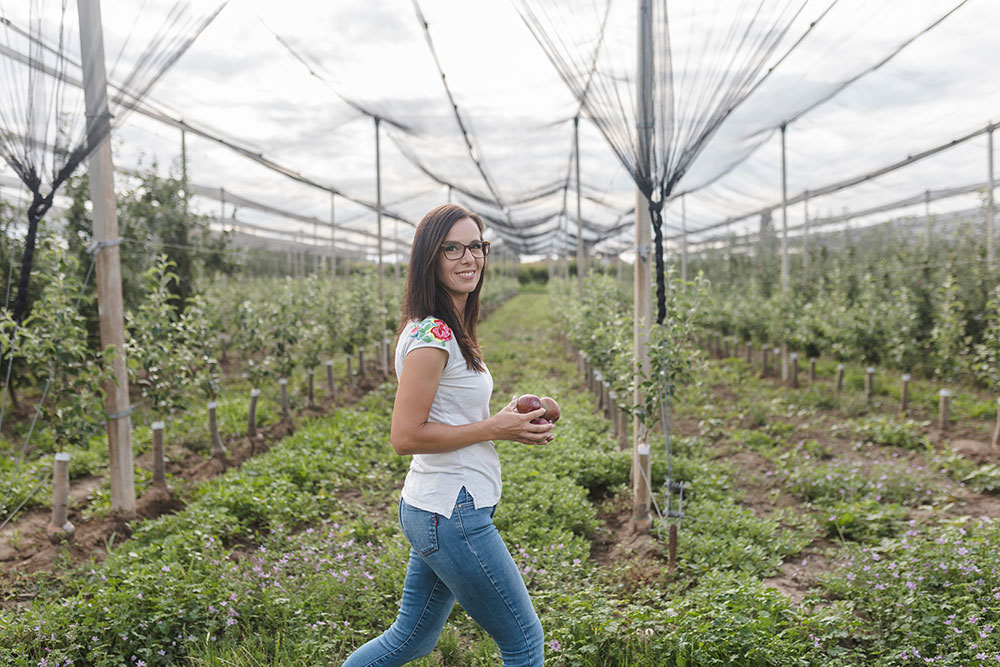
© FAO/SANJA KNEŽEVIĆ IN SMEDEREVO, SERBIA, MARIJA STOJILJKOVIĆ GROWS CUCUMBER IN HER GREENHOUSE.
INCREASING YOUTH VOICE AND AGENCY
In recent decades, the value of involving youth in policy dialogues has been increasingly acknowledged, yet their participation in agrifood systems decision-making is still constrained, as highlighted in Chapter 3. Barriers to meaningful youth engagement include limited training, restrictive social and legal norms, inadequate funding and logistical support, under–representation and tokenism in global forums. Rural and marginalized youth face additional challenges, such as exclusion from institutional platforms, economic pressures and gender bias.139–141 While digital technologies have the potential to open up new spaces for youth engagement, connectivity gaps, lower smartphone ownership and limited digital literacy in remote rural areas remain major obstacles to meaningful youth inclusion, particularly for young women (see Chapter 3).142, 143 Initiatives have been undertaken to foster youth inclusion in decision-making, however many of these lack rigorous assessment, although some promising approaches have emerged.
PROMOTE INCLUSIVE COLLECTIVE ACTION
For vulnerable or more disadvantaged youth, collective action often proves more effective than individual action in exercising agency.144, 145 By joining or forming groups, whether through formal producers’ organizations, cooperatives and community-based organizations, or more informal networks and associations, young people can pool resources, expand their influence and navigate power relations more effectively.146–148 Membership in formal or informal collectives can grant rural youth greater visibility in policymaking for agrifood systems. This impact can be seen in youth-driven networks in Colombia, Rwanda and Uganda, all of which have contributed to shaping national development strategies and policies.149, 150 Apex organizations, like the Asian Farmers Association for Sustainable Rural Development (AFA), have also made efforts to include youth.
Despite efforts by cooperatives, rural institutions and apex organizations to empower young farmers and promote their leadership, young people still encounter a variety of obstacles in attempts to harness collective action through formal rural organizations. Membership criteria such as land ownership or fees may exclude those reliant on small family parcels, although some cooperatives and producers’ organizations have tried to mitigate land-access barriers by allowing families to use shared land as collateral.152 Mistrust and scepticism about collective initiatives, as well as inadequate organizational skills, often lead youth to work in isolation rather than forming or joining groups.146, 151, 153–155 In the context of agrifood systems and particularly in rural settings, youth-led networks frequently lack cohesive leadership and robust organizational frameworks, which may result in top-down structures and limited engagement of under–represented groups (e.g. young women, youth with disabilities, those under 18, Indigenous youth, migrants, refugees, IDPs).154 For example, a recent mapping of African youth organizations working in agricultural development and climate change reveals persistent gender disparities in leadership positions.156 Removing entry barriers and strengthening these organizations’ capacity to adopt transformative, intersectional and socially inclusive approaches can make them more equitable and effective.151–153
YOUTH COLLECTIVE ACTION THROUGH COOPERATIVES AND YOUTH ORGANIZATIONS OFTEN PROVES MORE EFFECTIVE THAN INDIVIDUAL EFFORTS IN EXERCISING AGENCY.
STRENGTHEN SOCIAL CAPITAL
Exercising agency means acquiring the knowledge, skills and capabilities needed to envision valued goals or futures, and to pursue them through free and informed decision making.157, 158 In rural settings, these competencies are not always provided by existing education systems. Investing in both the human and social capital of young people is paramount to elevating their voices, especially in the public sphere.
Strategies such as peer-to-peer exchanges and learning that harness common group identity, as well as personal initiative training sessions, have proven to be effective in strengthening youth agency, cultivating new skills and fostering proactive entrepreneurial mindsets.159–161 Youth individual and group agency in agrifood systems is significantly boosted by young “champions” as well as by youth-led organizations and networks, as seen in the examples of networks in Uganda and Senegal.162, 163 Furthermore, relational approaches that strengthen intergenerational collaboration in the family or the local community, such as mentorship, role models or broader youth-adult partnership approaches,163–165 can play a powerful role in smoothing the transfer of resources across generations, preserving traditional knowledge and culture, and building youth life skills and social networks.
Strengthening youth capacity and leadership also helps to challenge discriminatory norms and empower young people to meaningfully shape the future of their rural communities. For example, community-led gender-transformative initiatives, such as FAO’s Dimitra Clubs,166 have had a visible impact on the quality of life of young women and men, strengthening their leadership and self-development skills.167 Similar participatory approaches that encourage young people to analyse and address local issues have successfully boosted the agency of youth, particularly girls, by fostering critical thinking and communication skills. For instance, in rural Malawi, youth-led Reflection-Action Circles facilitated by Action Aid have successfully addressed issues such as discrimination against youth with disabilities, securing commitments from local leaders to improve access to education,167 and advocated for youth inclusion in governance. Similarly, Tostan’s Community Empowerment Program167 successfully stimulated community dialogue and action on female genital mutilation, child marriage and gender equality, achieving a comprehensive shift in attitudes and behaviours across over 7 200 rural communities in sub-Saharan Africa.
PROMOTE INTER-GENERATIONAL RENEWAL, PARTICULARLY IN LABOUR-SCARCE SETTINGS
Given that power dynamics between generations can constrain youth agency and resource access, policies that promote intergenerational transfer or renewal of agrifood systems employment are critical. Such policies are particularly important in countries where youth populations are low or declining. This section examines experiences and lessons learned from policy approaches working to address these concerns, the majority of which come from industrialized agrifood systems in Asia or Europe.
Issues of land access and land succession affecting predominantly young people have been an important focus of policies fostering generational renewal in agriculture, particularly in Europe. However, the evidence shows that programmes addressing this challenge have not yielded strong positive results. For example, the Fresh Start Initiative, implemented in the United Kingdom of Great Britain and Northern Ireland, was designed as a matchmaking facility to help identify and facilitate joint venture agreements between older farmers and new entrants. However, the programme failed to successfully generate new joint venture arrangements because of wide variance in motivations and expectations between older farmers and new entrants, as well as concerns regarding their respective responsibilities in working relationships.168 Similarly, an evaluation of the European farmers’ early retirement scheme, which sought to incentivize farmers between the ages of 55 and 66 to retire and transfer their land to younger farmers, found only a minimal impact on the age structure of European farmers, and failed to encourage new entrants into farming.169 In most of the cases, transfers that occurred under the programme were between members of the same family.
Financial incentives to encourage the entry of young people into farming have also yielded mixed results. The Young Farmer Payment, which provides financial support to farmers under the age of 40 through Europe’s Common Agricultural Policy, was found to support intergenerational succession of farms by addressing capitalization and financial constraints faced by farm successors, but proved insufficient to support the establishment of new farming businesses by young entrants.170 In contrast, the Setting up Aid (SUA) scheme under Europe’s Rural Development Programme successfully fostered the transition of young hired farmers to farm managers, while increasing income from farming and farm survival in Sweden.171 The success of the SUA compared to the Young Farmer Payment scheme is attributed to two factors: the requirement to submit a farm business plan, which obliges participants to deliberate on the future development of their farm, and the larger lump sum transfer provided by SUA, which proved more effective than the smaller payments spread over five years offered by the Young Farmer Payment scheme.
Young farmer payment schemes and policies designed to financially incentivize farm succession may underperform because they fail to engage with social and psychological factors that drive young people to enter farming or older farmers to leave. A study in the United Kingdom of Great Britain and Northern Ireland found that payments had little influence on older farmers’ willingness to exit. Instead, factors such as involvement in farm management, a good understanding of the farm’s situation, and strong social identification with farming fostered through family and social ties to agriculture, were more influential in promoting the entry of young farmers.172 To improve the impact of these payment schemes, complementary actions are needed to facilitate young farmers’ integration into the farm business, promote more positive perceptions of farming as an occupation, and strengthen the integration of young people into farm communities.172
Support for modernization and the use of modern farming technologies can help overturn perceptions of farming as a lower-status occupation and attract young people to the sector. In Ireland, for example, the uptake of innovative practices improved farm viability and encouraged the next generation of young farmers to consider farming as a long-term occupation.173 Similarly, in Spain, lack of modernization was identified as a key barrier to generational change in the sector.174 The promotion of technological advancement among both older and younger farmers thus has the potential to both attract and maintain young people in agriculture.175
Additionally, the development of niche and specialty markets (e.g. organic and direct marketing systems) and farm diversification (including agrotourism) both contribute to driving young people’s entry into agriculture.173, 176, 177 These farming systems can help boost economic returns and reduce the uncertainty of agricultural livelihoods, while also aligning with social and environmental concerns held by many young farmers.32,175
In labour-scarce settings, agrifood systems increasingly rely on migrant workers, including youth, to address labour shortages, particularly where labour-intensive crops and food processing and distribution are concerned.178 Bilateral Labour Migration Agreements (BLMAs) and Seasonal Migration Schemes facilitate the mobility of agricultural workers,179 and have been adopted in several countries,180, 181 including the United States of America,182 Canada,183 Australia,184 New Zealand,185 the Republic of Korea186 and the European Union.187 While evidence on their impact is scarce, New Zealand’s Recognised Seasonal Employer scheme has shown positive impacts. The scheme aims at easing labour shortages in horticulture and viticulture by accepting foreign workers, in particular from Pacific countries.185 The programme has increased incomes and consumption among households in countries of origin, with other notable impacts including a rise in school attendance rates by 20 percentage points for 16–18 year olds in Tonga.188
ENHANCING YOUTH SKILLS
Knowledge and skills profoundly influence the nature of youth engagement in agrifood systems and determine their potential contributions to agrifood systems transformation. Improved skills levels expand youth employability, boost earning potential, facilitate entrepreneurship and improve productivity – whether in farming or off-farm activities.8,154 Skilled youth are also better positioned to access vital resources such as land, credit and technology, enhancing their competitiveness while fostering valuable networks to share knowledge and influence policy.189, 190 Entrepreneurship thrives when young people possess specialized skills to innovate, develop new products in response to changing consumer demands and ultimately stimulate local economies.191–193 As the agricultural sector contends with technological changes, shifting markets and environmental concerns, having a skilled workforce is pivotal to sustaining food security and economic stability.
Reflecting this priority, skills development dominates youth-focused labour market programmes,194,195 representing more than half of interventions in a recent large-scale meta-analysis of youth-focused active labour market interventions.194, 196 Lessons from these programmes points to some design elements, successful methods, and areas of investment for delivering skills and training and enhancing education in rural areas or among agrifood system workers.
ENHANCE SKILLS TRAINING THROUGH PRACTICAL, CONTEXT-RELEVANT AND MARKET-ALIGNED APPROACHES
Programmes aimed at building youth-relevant skills for agrifood systems vary considerably in their content, duration, delivery methods and target population. Their focus can range from technical agricultural knowledge to business acumen and soft skills, with training lengths spanning brief workshops to multi-month courses.195, 197 Delivery methods include in-person sessions, online courses and hands-on learning, often supplemented by mentorship. Some programmes are integrated into formal education at both the secondary and tertiary levels,148, 198 and may target a wide array of youth groups (e.g. rural and urban youth, young women or marginalized communities), sometimes incorporating additional services like financing or market access to overcome broader barriers.199
The effectiveness of these skills training programmes varies significantly according to their design and implementation, the local context and the specific needs of participants. Although a complete understanding of what works best across different settings and objectives is still evolving, certain design features consistently emerge in successful initiatives. First, programmes that combine various skill sets with complementary support services such as mentorship, market linkages and access to resources tend to deliver better employment outcomes.9, 148, 200 Such a comprehensive perspective fosters a deeper appreciation of how different components of agrifood systems intersect, empowering youth to either create their own opportunities or seek employment in existing ventures.194, 195
Second, programmatic models that emphasize hands-on, practical activities – such as internships, apprenticeships, fieldwork and project-based tasks – allow young participants to apply their newly acquired skills in real-world conditions and improve their employability.154, 201, 202 These experiential learning processes reinforce theoretical understanding, bolster confidence and facilitate networking with professionals, all of which are essential for sustained career growth. To further address challenges with skills mismatch (see Chapter 3), the literature emphasizes the importance of strengthening linkages between youth skills development programmes and employers. Such collaborations can help identify concrete skill gaps201 and ensure that these insights are systematically fed back into education and training systems to make them more responsive to labour market demands.
Third, initiatives that tailor their content and structure to a specific economic and social environment are better positioned to succeed.28–159 In regions with high demand for particular skills, targeted training can result in measurable improvements in labour outcomes, whereas in areas with limited opportunities or mismatched training, the impact may be negligible.203 Furthermore, programmes that address intersectional factors, such as gender, socioeconomic background and cultural context, are more likely to engage participants effectively.194 By ensuring that training aligns with local market needs and addresses the realities of target youth populations, such interventions increase the likelihood of positive employment outcomes and, consequently, contribute to wider economic advancement.194
In addition, peer-to-peer approaches in agrifood systems-related training can enhance the effectiveness of skills development and complement more formal training programmes or extension services, while helping to building social capital and youth agency. Such approaches leverage social learning and peer influence,159–160 demonstrably improve the overall performance of agripreneurship initiatives, and are among the most appreciated components by youth within entrepreneurship initiatives supported in multiple countries.149, 204
STRENGTHEN EDUCATION IN AGRIFOOD SYSTEMS
Substantial and long-term public investments in education are needed to ensure equitable access to high-quality learning, to enable the development of skills demanded by rapidly changing agrifood systems. Such investments should prioritize the modernization of educational curricula to reflect current labour market conditions and the specialized competencies required in agrifood systems. This is particularly important in lower-income countries, where youth populations are large and agrifood systems constitute a key economic pillar.209 Given the lack of access to secondary education in less transitioned agrifood systems and in rural areas, as highlighted in Chapter 3, incorporating agrifood systems-relevant skills early, ideally at the primary school level, can expose students to practical agrifood systems-related knowledge. For example, in Mozambique, Junior Farmer Field and Life Schools have successfully integrated farming and life skills into the primary school curriculum.210 Such early exposure to agrifood system-related knowledge has been shown to spark children’s interest in agrifood systems careers and contribute to nurturing a generation of well-informed, skilled practitioners.204
Much employment across agrifood systems roles relies on foundational literacy, numeracy and problem-solving abilities, which could be acquired without a university education.211 Nevertheless, investments at the university level are vital for spurring innovation and productivity, and increasing the supply of researchers, practitioners and trainers, who may directly train youth and shape the quality of training that young people receive. Agricultural universities play a pivotal role in the research and development of improved breeding methods, agronomic practices and cutting-edge food technologies. In the United States of America, for instance, land-grant universities have historically driven major breakthroughs in agricultural productivity while developing a skilled workforce to power the agrifoods industry.212 Universities are also increasingly driving digital innovation in agriculture by providing young entrepreneurs with tools, mentorship and platforms. In India, universities have launched digital agriculture R&D programmes, incubating startups like HarSar farmAR, which provides an immersive virtual farm experience. Similarly, Rwanda’s kLab innovation hub supports youth-led, ICT-driven agricultural solutions by connecting young entrepreneurs with farmers to address real-world agricultural challenges.154, 213 Similar investments are needed elsewhere to nurture a critical mass of innovators who can design sustainable solutions for the pressing challenges facing agrifood systems.
While long-term investment in education remains essential, immediate opportunities for engaging youth often come through expanded access to high-quality Technical and Vocational Education and Training (TVET) – formal education that provides practical skills and knowledge for specific trades and prepares individuals for the workforce through hands-on training. However, the data on the impacts of TVET on employment outcomes is mixed. While TVET facilitates the school-to-work transition for youth, labour market outcomes over time are often higher for those with general education, even after accounting for individual characteristics.214 This is in part due to the generally low effectiveness of TVET systems, particularly in low- and middle-income countries.214 Traditional TVET systems focus on equipping youth with specific technical skills to facilitate their entry into a particular occupation, but do not usually strengthen adaptability, job mobility or increased productivity over the life cycle, especially in contexts of rapid technological and economic change.215, 216 Agricultural TVET programmes, in particular, have been criticized for an overly theoretical focus and insufficient emphasis on entrepreneurship and business skills.217, 218 Moreover, TVET offerings in many developing countries, particularly in rural areas, are often underfunded, carry a stigma of being “less professional” or fail to align curricula with labour market needs.27, 214, 219
Addressing these gaps by updating TVET curricula to include cutting-edge agricultural and climate-smart practices – as well as the latest agribusiness technologies – could greatly improve job and self-employment prospects for low-skilled youth in agrifood systems.214 A recent review shows that incorporating modern technologies, such as drones, GPS and AI-based platforms into educational modules at TVET institutions, alongside agricultural entrepreneurial skills training, significantly improved students’ decision-making abilities and their readiness to pursue entrepreneurial opportunities in agriculture.220
EXPAND YOUTH ACCESS TO RURAL ADVISORY SERVICES AND AGRIBUSINESS TRAINING
Expanding skill training opportunities for youth, particularly those outside the formal education system, is essential for youth engagement in agrifood systems. Rural advisory services (RAS) provide information and support to producers and other economic participants in agrifood systems and play a key role in improving livelihoods and developing technical, organizational and management skills and practices.221–222 These services, which include market information, financial guidance and agribusiness training are often provided by a variety of public, private, NGO and cooperative institutions.223 To be effective, rural advisory services must be adapted to changing economic, social and environmental conditions, the demands of today’s agrifood systems and the specific needs of youth.224

©VISIONTIME/MELANIE BOUTROS IN CHISINAU, REPUBLIC OF MOLDOVA, A TVET TRAINEE PRACTICES PRECISION IN A FOOD-PROCESSING WORKSHOP, ARRANGING EMPTY JARS ON A CONVEYOR BELT—AN EXAMPLE OF HOW HANDS-ON VOCATIONAL TRAINING OPENS NON-FARM AGRIFOOD CAREER PATHWAYS FOR YOUTH.
Agricultural policies are increasingly prioritizing youth involvement in extension services, both as beneficiaries and providers.207 In Pakistan, engaging youth in extension and advisory services helped to disseminate knowledge and promote sustainable and climate-smart farming practices.208 Similarly, innovative platforms like Shamba Shape Up in East Africa and Digital Green in India involve youth in producing television and community-led video content, which helps to overcome informational barriers to agricultural productivity.205, 206 Scaling these initiatives in ways that reflect young people’s preferences, circumstances and evolving needs in modern agrifood systems could significantly expand youth engagement in agrifood systems.
The integration of ICTs has transformed the delivery of rural advisory services, particularly in sub-Saharan Africa.225 Such services, which make use of mobile applications and digital platforms, often involve youth serving as village-based digital advisors and agricultural extension service providers. Digital platforms like E-Vuna and MyAgro, which actively engage with youth, have created employment opportunities for young people and strengthened rural advisory services, while making their advice more relevant and practical.213 The provision of technical information via mobile phone has also been shown to improve yields and increase the adoption of agricultural practices.226 Nonetheless, challenges with the accessibility and affordability of digital technologies need to be addressed to make them inclusive of vulnerable youth groups and maximize their impact.227, 163
Agribusiness training programmes and incubation hubs have emerged as a potentially effective strategy among various labour market interventions.228 These platforms encourage innovation by helping youth to develop and test business ideas within a supportive environment, providing technical and business training, and linking youth to markets, resources and new technologies. Youth-centred incubators that supply resources, mentorship and networks have yielded significant gains in skills, income and job creation.199, 230 Furthermore, research in this field highlights the greater impacts of approaches that focus on personal initiative or action-oriented mindset change in agripreneurship training compared to traditional business training.159, 229
Yet, access to these kinds of opportunities remains limited, particularly for marginalized youth, due to geographical, financial and institutional barriers such as strict eligibility requirements. Strategically placed rural incubation hubs and intentional targeting of marginalized youth231 coupled with reduced financial and structural barriers could help close the skills gap. Similarly, the adoption of a network approach leveraging and connecting existing service providers and institutions would favour youth access to an array of integrated services spanning extension, business advisory and finance. This incubation approach, known as “without walls”, may prove a cost-efficient and sustainable solution.231, 232 Incorporating low-bandwidth digital approaches – such as mobile apps or online platforms for agribusiness courses and market information – can further enhance these efforts, especially for remote youth without sufficient digital access.233
YOUTH-CENTERED INCUBATORS PROVIDING RESOURCES, MENTORSHIP, AND NETWORKS HAVE SIGNIFICANTLY BOOSTED SKILLS, INCOME, AND JOB CREATION.
While agribusiness training and incubators enhance entrepreneurial mindsets and skills, there is limited likelihood that youth beneficiaries will create viable enterprises immediately. Research shows that most successful job-creating businesses are led by those aged over 25, as younger individuals often face additional constraints in terms of experience, resources and networks.25, 26 In challenging economic contexts, youth may establish necessity-based ventures which are often prone to low productivity and limited growth.26 As a result, programmes and policies need a broader scope, addressing financial, educational and regulatory hurdles instead of simply encouraging entrepreneurship. Long-term incubator programmes offering sustained capacity building, mentorship and technical training, and startup financial support yield positive effects on both employment and earnings.25, 199, 148
EXPANDING YOUTH ACCESS TO RESOURCES
Enhancing youth access to essential productive resources such as land, finance and digital technology, as well as markets, is crucial for their meaningful participation in agrifood systems. As discussed in Chapter 3, rural youth encounter a range of structural, financial, legal and social barriers that hinder their ability to access these vital resources. Improving young people’s access to productive resources requires a combination of targeted interventions that address these constraints. A number of promising approaches and areas of investment effectively enhance access to various resources and improve youth engagement and outcomes in agrifood systems.
ADDRESS YOUTH RESOURCE ACCESS CONSTRAINTS USING AN INTEGRATED APPROACH
Evidence suggests that resource access interventions targeting youth combined with other types of support achieve better effects than resource access alone.234–238 For example, financial exclusion should be addressed in combination with other forms of asset and resource gaps affecting youth. Common approaches combine skills training with access to finance and/or agricultural inputs.234–236, 239 One programme in India offered training in agricultural practices to rural youth not in education, employment or training (NEET). Upon completion, participants received agricultural inputs (animal feed and poultry chicks) that enabled them to launch or improve their agribusinesses. This intervention led to increased job creation and reduced distress migration.234
A recent World Bank study confirms that well-designed economic inclusion programmes can yield considerable benefits for vulnerable or more disadvantaged populations, including youth.240 However, scaling such integrated programmes often demands significant investment, with several of the most successful resource-access initiatives embedded in national government-led programmes.235, 239, 237 Scaling-up also requires changes in how market systems work, so that youth can benefit from more accessible business models. However, market-based approaches to improving youth resource access require careful design, as the pursuit of higher profitability can lead to unintended consequences for vulnerable or more disadvantaged groups. For example, in Mozambique, a project that partnered with the private sector to enhance access to certified seeds inadvertently intensified land competition, resulting in the consolidation of land control among household heads while marginalizing women and perpetuating the exclusion of youth.241 Ignoring how markets function and the potential distortions that interventions can generate can be counterproductive. In a case in Uganda, an initiative that offered agricultural input subsidies to youth faced high demand, straining market supply and creating market tensions.242
PROMOTE INCLUSIVE POLICIES THAT ADDRESS RESOURCE GAPS
Promising resource access interventions are often rooted in policies that explicitly recognize and prioritize the needs of youth and other vulnerable groups. These include redistributive reforms aimed at redressing power and resource imbalances between older and younger generations without compromising the legitimate needs of the elderly.163, 243
Issues related to land titling and secure tenure rights highlight the central role of national policies in supporting youth engagement in the sector. A recent study from the United Republic of Tanzania found that land titling and inclusive reforms introduced since the 1990s have encouraged greater youth involvement in agriculture.244 Additional research highlights the importance of facilitating farm succession as a key to youth entry into farming while simultaneously addressing persisting gender-discriminatory social norms favouring male-line succession.245 An assessment in Ethiopia documented land formalization programmes that integrate gender- and age-sensitive parameters to protect intra-household rights and foster inclusive access to land that benefits youth.249 Nonetheless, the possible pitfalls of land formalization initiatives seeking to improve the land rights of youth and other vulnerable groups should be considered in each given context, given the ample evidence.246–248 of the potential risk of increased conflict between different stakeholders, including individuals within communities.
Other important mechanisms for facilitating access to agricultural land for young people – particularly those from households with little or no land – include the development of land rental markets, the rehabilitation of abandoned plots, and the allocation of unused communal or public land. Evidence from Ethiopia shows that rental markets have successfully facilitated land access for landless and near-landless youth. However, over 90 percent of the land rental contracts were established for sharecropping, reflecting young people’s limited access to cash and the high perceived risks of agriculture.250 Access to rental land is also essential in Europe, where agricultural land for purchase is often scarce and expensive.251 Rental arrangements are often informal in nature which may increase precarity and disincentivize investment in land, limiting agricultural productivity over the long term.251 These arrangements can also be exploitive if young people have few other options.252 Young women are less likely to be able to access land through rental markets,250, 251 pointing to the need for gender-responsive complementary interventions to overcome the barriers they face. Meanwhile, initiatives focused on the rehabilitation of abandoned land or the allocation of unused communal or public lands have facilitated youth access to land across diverse contexts, including in Burkina Faso, Egypt,253 Ethiopia, Italy254 and Mexico.
Governments must carefully consider how agricultural and other policies affect the rights and interests of young people and future generations. For example, land reforms have historically excluded women and youth.253 Additionally, agricultural policies such as subsidies can reduce farmers’ incentives to transfer land either through sales or bequests.251 Inadequate old-age social protection benefits among agricultural populations can further reduce intergenerational transfers of land.256–257
When governments integrate and mainstream youth considerations into national agricultural policies, they can directly address youth-specific challenges and support more equitable access to productive resources for inclusive agrifood systems.243 Indeed, many global,258–261 regional262–263 and national policies mainstream youth as a target demographic. FAO’s analysis of 82 countries indicates that the majority of national agricultural strategies reviewed (71 percent) incorporate youth into their objectives, activities and performance indicators (see Box 7.2). However, to ensure that policies genuinely facilitate equitable resource access, national governments must not only endorse policies but also demonstrate a commitment to effective implementation. This includes providing education and awareness around rights to resources, which can empower youth to navigate and advocate for their rights effectively.
LEVERAGE COLLECTIVE ACTION TO EXPAND RESOURCE ACCESS
Collective action can enhance youth access to resources.264 Beyond economic and financial benefits, cooperatives provide essential services that support youth, including informal emergency funds, savings and credit programmes, and risk-sharing mechanisms. Youth organizations can strengthen collective agency and engage in lobbying the government to safeguard young people’s land rights,254 for example by establishing youth quotas in land management institutions to amplify young people’s voice and influence in decisions that affect their future access to land.254 Additionally, facilitating access to financial resources, such as low interest loans and grants, will enable these cooperatives to offer critical services such as emergency funds and savings programmes.264 Cooperatives also facilitate access to vital resources such as retailers, health services, transportation and digital tools.265–267 Participation in these organizations enables youth members to influence the types of services offered and the terms under which they are provided, and fosters a sense of belonging and community.265–267 Capacity-building programmes focusing on cooperative management and financial literacy can also boost the collective power of youth-oriented cooperatives. By encouraging partnerships between cooperatives and service providers, policymakers can ensure that these organizations effectively tackle the unique challenges faced by rural youth, ultimately contributing to their empowerment and resilience.
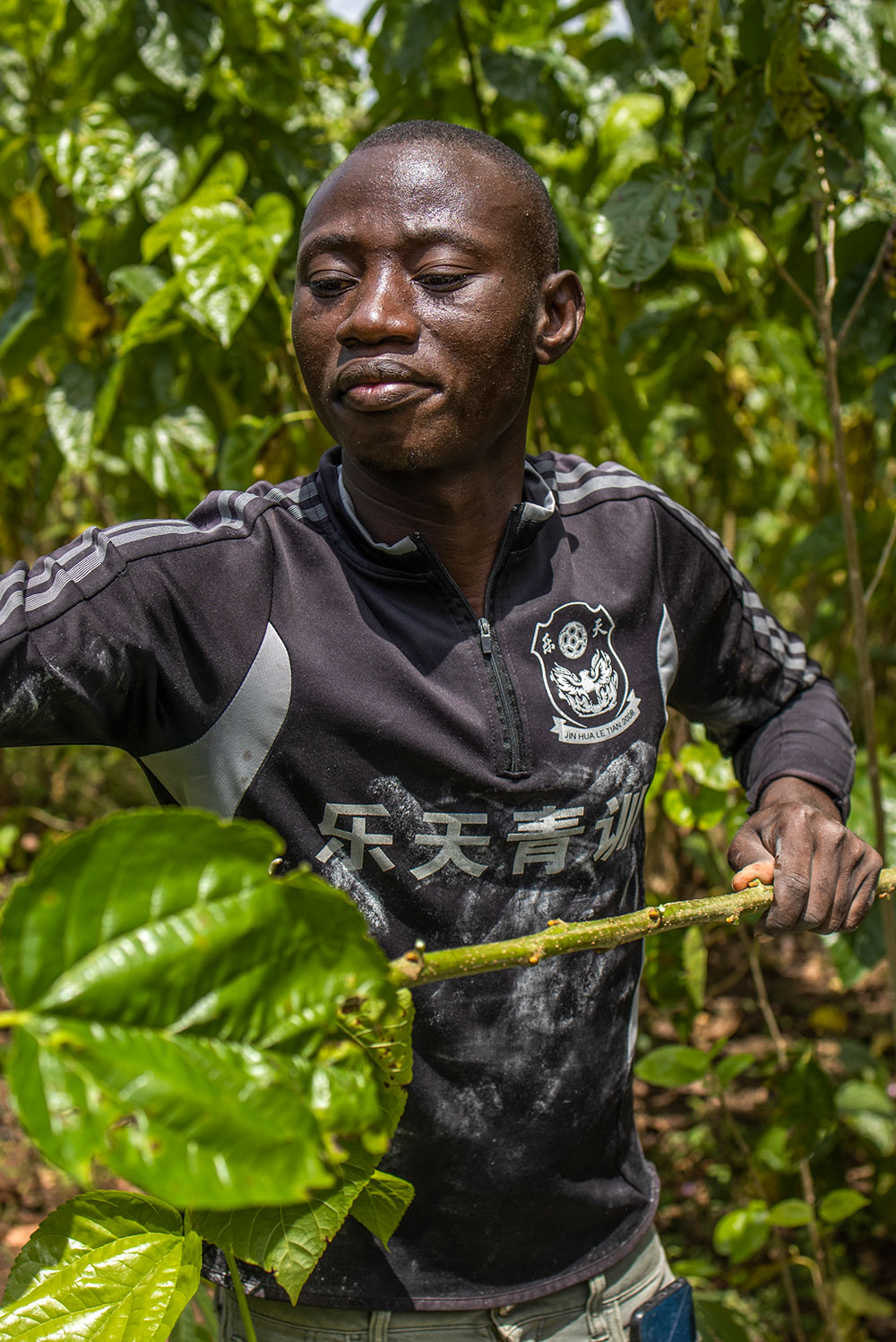
© FAO/STUART TIBAWESWA IN MUKONO, UGANDA, SIMON WAMBEDDE HARVESTS MULBERRY LEAVES FROM HIS THREE-ACRE PLANTATION TO FEED SILKWORMS,
Box 7.2
YOUTH MAINSTREAMING IN NATIONAL AGRICULTURAL POLICIES
FAO's analysis of agricultural policies and strategies shows that youth are relatively well-integrated as a target group into most policies. The policies analysed were drawn from the FAOLEX Database and the FAO Decent Rural Employment (DRE) Policy Database.i Out of 116 countries with available policy documents, 87 written in English, French, Portuguese and Spanish, from 82 lower-income countries, were retained for analysis.
The selected policies were ranked using a four-point scale (0–3) in accordance with their level of youth mainstreaming (see Figure A). Level 0 indicated that youth were either not mentioned or referenced only once or twice in relation to minor activities. Level 1 policies recognized youth as a target or priority group, but without specific results, indicators, or activities. Level 2 policies included youth-specific results, activities and/or indicators, demonstrating a more focused approach to addressing youth issues. Level 3 represents the highest level of youth mainstreaming, going beyond Level 2 criteria to include dedicated strategies for youth in agriculture or agribusiness. While this focus on policy formulation excludes any assessment of implementation – a possible limitation – the policy discourse is a good indicator of government commitments towards youth.
FIGURE A. YOUTH INTEGRATION IN AGRICULTURAL POLICIES SHOWS REGIONAL VARIATION

Source: Author's own elaboration.
Most countries (71 percent) were categorized as level 2, indicating meaningful mainstreaming of youth through specific activities and outcomes. About 6 percent achieved a level 3 classification, having a dedicated policy for youth in agriculture, along with well-integrated youth aspirations and concerns in broader policies. Conversely, 13 percent of countries were assessed as level 0, indicating either minimal or no mention of youth.
Regional variations exist in the level of youth mainstreaming. Generally, youth mainstreaming was strongest in Africa, probably as a reflection of long-term regional commitments on youth. The starting point was the 2014 Malabo Declaration on Accelerated Agricultural Growth and Transformation for Shared Prosperity and Improved Livelihoods, which made a concrete commitment “to create job opportunities for at least 30 percent of the youth in agricultural value chains”. More recently, the 2022 African Agribusiness Youth Strategy urged countries to integrate specific elements on youth agribusiness building into existing agriculture and/or youth policies.ii Countries such as Kenya, Rwanda, Uganda and the United Republic of Tanzania are notable for their youth-specific strategies and high levels of youth mainstreaming in policy. Outside Africa, a few countries such as Fiji and Jamaica have also established dedicated strategies targeting youth integration in agriculture.
In comparison, youth integration is less evident or explicit in agricultural policies for Southeast Asia and Latin America and the Caribbean. In both regions, multiple countries fall into the level 0 category, although in some cases ministries of agriculture have begun to develop rural youth policies. A more mixed level of integration was found in other regions, such as the rest of Asia and Oceania.
A more granular analysis focused on African countries revealed that some policy areas are still overlooked. These areas include youth-friendly enabling environments (integrating youth participation and rights) as well as innovation. In comparison, aspects relating to livelihoods, access to resources, skills, entrepreneurship, TVET and financial literacy are more commonly addressed. Areas never covered include formalization, job matching, occupational safety and health, intergenerational transfer of land and succession planning, youth engagement in public procurement, digital connectivity dimensions and data protection. Areas very rarely covered include youth rights, diversity and representation in policy making, labour rights violations, labour laws and wages, mentorship and peer-to-peer approaches, youth-led research, soft skills and leadership, youth-centred social protection interventions, education programmes, data collection to enhance the reflection of youth needs and intra-generational transfer of knowledge including Indigenous knowledge.
Notes: Refers to the Notes section for full citations.
HARNESS DIGITAL TECHNOLOGIES TO ACCELERATE PROGRESS
Agrifood systems present diverse opportunities to leverage digital technologies to create jobs and make agrifood systems more appealing to youth.268, 269 Several proven strategies and models have successfully increased youth participation in digital agriculture.
Mobile technology has become a key enabler of digital solutions, integrating financial and non-financial services for young farmers. In sub-Saharan Africa, over half of the Digitalization for Agriculture (D4Ag) platformsk bundle multiple services like market access and financial tools into scalable digital ecosystems.270 Research shows that bundled services within one-stop digital marketplaces are the most effective FinTech solution for young agripreneurs, increasing efficiency and reducing costs.270 As an example, Agrikore, a blockchain-powered e-commerce platform, developed by Cellulant, links farmers, processors, traders and logistics companies in ways that ensure transparency, trust and efficiency in agricultural transactions.271
Youth-led FinTech startups are also improving access finance by offering digital credit, insurance and investment solutions tailored to young farmers and agriprenuers. FarmCrowdy, a youth-led Nigerian-based crowdfunding platform, enables individuals to invest in crop and livestock production cycles and has expanded into input and equipment financing, digital insurance and market aggregation services. It also identifies and trains young entrepreneurs to manage tech-enabled farm product aggregation.272, 273 Similarly, ThriveAgic provides youth-friendly financial solutions such as loans backed by digital collateral and weather-indexed crop insurance, aligning repayment with agricultural cash flow cycles, allowing farmers to repay loans post-harvest.272
WAY FORWARD TOWARDS YOUTH-INCLUSIVE AGRIFOOD SYSTEMS
Youth-inclusive agrifood systems that provide decent jobs, healthy diets and food security, while bolstering resilience, are both achievable and vital to addressing the challenges faced by today’s young people. Realizing this vision, however, requires robust commitments from diverse stakeholders and a multifaceted approach across research, policy and investment tailored to the varying contexts in which youth live. This report has provided a comprehensive assessment of the evidence to date on youth engagement in agrifood systems and highlighted key approaches and areas of investment that improve youth engagement and outcomes in agrifood systems. While acknowledging the progress made, more is needed to sustain and scale the impacts of ongoing efforts towards youth-inclusive agrifood systems. Specifically, there is a need to inquire more, include more, and invest more:
YOUTH-INCLUSIVE AGRIFOOD TRANSFORMATION DEMANDS STRONG STAKEHOLDER COMMITMENTS, ROBUST EVIDENCE, INCLUSIVE VOICES, AND TARGETED INVESTMENT.
- Inquire more means bridging knowledge and data gaps and strengthening the evidence for youth inclusive agrifood systems.
- Include more means amplifying the voices of diverse youth in policy and decision-making processes to ensure that agrifood systems transformation reflects their needs and realities.
- Invest more means driving structural change and targeted investments to expand economic opportunities for youth and empower them to fully participate in and benefit from agrifood systems transformation.
INQUIRE MORE – STRENGTHENING EVIDENCE FOR YOUTH-INCLUSIVE AGRIFOOD SYSTEMS
Youth challenges in agrifood systems are complex, dynamic and deeply rooted in structural and sociocultural factors that vary across context.274, 275 Hence, it is essential for policies and programmes to be evidence-based, adaptive and responsive to youth realities. However, despite progress in recent decades, critical data and research gaps persist, limiting effective youth-focused interventions.
To bridge this gap, there is a need for more systematic data collection and actionable research to capture youth realities in agrifood systems, including their employment status, working conditions, food security and nutritional intake, and access to services, assets and social protection. While initiatives such as the Living Standard Measurement Study (LSMS)276 have improved age-disaggregated data, coverage remains limited, especially for marginalized youth, including Indigenous youth, migrants and persons with disability, as well as for under-represented agrifood systems sub-sectors like fisheries and forestry. Moreover, the tendency of these surveys to focus on heads of households, most of whom are not young, limits their usefulness for youth-focused analysis. Longitudinal data necessary to identify causal drivers of change are relatively scarce.274, 275 Expanding these efforts to a broad range of countries and youth subgroups is therefore crucial for informed policymaking. The existence of varying age-based definitions of youth262, 277 poses an additional challenge for data comparability and interpretation. Similarly, while digitally enabled agricultural services are extensively documented,278 high-quality empirical data on the actual adoption and outcomes are limited, leaving significant gaps in the understanding of how digital solutions impact youth engagement.
Beyond data, research on policy and programme effectiveness is lacking. Most evaluations of agrifood policies focus on public expenditures279 rather than youth-specific impacts,280 and cost-effectiveness analyses of interventions are rare.201 Additionally, a key step in advancing broad-based productivity is to invest in R&D and robust extension systems that enable a two-way flow of information between researchers and agrifood systems’ end users. By generating context-specific knowledge, developing innovative technologies and ensuring their effective dissemination, these initiatives can address a spectrum of challenges – including climate-related threats – while boosting productivity across diverse local settings.16, 17 Additionally, policies and strategies often bridge adolescence to women of reproductive age, including youth, but only rarely tailor interventions specifically for them. Lastly, ensuring healthy diets within agrifood systems transformation requires better data on youth dietary patterns to inform policies and strategies.
To drive meaningful change, youth-specific policy monitoring and evaluation mechanisms need to be established. Closing data and research gaps will enable the development of evidence-driven policies and the scaling up of successful models to improve youth livelihoods in agrifood systems.
INCLUDE MORE – INVOLVING YOUTH IN POLICYMAKING
Young people are the ultimate experts of their own reality, and their voices must be more actively integrated into policymaking to ensure that policies and programmes reflect their needs and lived experiences. Moving beyond tokenism, youth inclusion requires policies and governance structures that are developed with youth, not just for them.
As discussed in Box 7.2, significant progress has been made in mainstreaming youth in agricultural policies. Yet, major gaps remain related to policy implementation coherence and diversification to address the heterogeneity of youth. Ensuring meaningful youth inclusion demands stronger policy implementation and coherence across sectors, including social protection, financial inclusion, land tenure, employment, education, innovation and climate change. Governments must not only endorse youth-inclusive policies and recommendations that emerge from youth consultative processes but also commit to their effective implementation. Globally, millions of youth work in agrifood systems under unsafe conditions with little to no labour protection and social security. Strengthening legal frameworks to uphold youth labour rights and occupational safety standards to ensure decent employment is crucial. Finally, policies must uphold the human rights of all young people, align with global human rights frameworks, and ensure equity regardless of gender, socioeconomic status or background.102
Additionally, institutions that include and work with youth must actively engage with them as partners, equipping them with the necessary resources, skills and structured platforms to shape decision-making processes. Strengthening youth organizations and networks, establishing youth advisory councils and funding youth leadership programmes can provide critical avenues for young people to express their concerns, contribute solutions and influence policy directions. Social media platforms also provide an effective means to reach and mobilize young people, promote their collaboration and amplify their voice, ensuring their input is both solicited and integrated into interventions. Amplifying youth voices, strengthening policy coherence and implementation, and fostering inclusive dialogue will create more responsive, dynamic and equitable agrifood systems that young people have the opportunities and agency to shape and benefit from.
INVEST MORE – SAFEGUARDING THE FUTURE OF YOUTH AND AGRIFOOD SYSTEMS
The future of agrifood systems and youth depends on the investments and policy actions made today. To thrive, young people need to be well-nourished, well-educated, gainfully employed in decent jobs and resilient to shocks. However, as this report reveals, significant deficits persist, requiring targeted investments across multiple domains to unlock youth potential and ensure the longterm sustainability of agrifood systems.
First, youth is a critical period for physical and cognitive development, making investments in human capital, including nutrition, education and skills training, essential for their long-term success and productivity.281, 282 Food insecurity, malnutrition and limited access to quality education continue to hinder youth productivity and earning potential.283 Expanding nutrition programmes alongside improving access to quality, market-driven education and training in both the formal and informal sectors will not only ensure that youth are healthier, but also prepare them for entrepreneurship and employment.8 Investments could prioritize scaling up promising models such as rural advisory services, agribusiness incubation, Agricultural Technical and Vocational Education and Training; integrating agrifood system topics into school curricula; and promoting experiential learning through apprenticeships and mentorships.214
Second, dynamic and inclusive agrifood systems hinge on investments that improve market access and enhance productivity. It is of critical importance to invest in dynamic agrifood system businesses on and off-farm with the greatest potential for young people’s decent employment. Connectivity remains another critical challenge. While most rural youth live in areas with relatively good agricultural potential, inadequate infrastructure – both physical and digital – limits their market participation and mobility within and beyond national boundaries (Chapter 2). The growing importance of spatial connectivity and functional territories, where households live, work, belong and maintain ties across multiple locations, highlights the role of youth migration, including temporary and seasonal movements. Small towns and intermediary cities, particularly in Africa and Asia, have emerged as key hubs that integrate rural and urban livelihoods, providing essential services and employment opportunities. These centres enable youthful and mobile workforce to access opportunities in agrifood system across multiple locations while strengthening rural-urban linkages.284–286 Targeted investments in roads, energy, storage facilities and digital infrastructure can enhance market connectivity and create new economic opportunities.3, 5, 179, 284, 285, 287, 288 Promoting digital literacy and fostering youth-led agritech innovations are also proven pathways for young people to participate in agrifood systems in transformative ways. Additionally, promoting safe and legal pathways for international migration, including through rights-based Bilateral Labour Migration Agreements and seasonal migration schemes, can help align labour supply with demand in areas facing shortages or surpluses.3, 5, 179, 284, 285, 287, 288
Third, persistent barriers in accessing productive resources such as land, finance and technology continue to constrain youth participation in agrifood enterprises.8, 9, 289 Fostering greater youth engagement demands investments in youth-friendly financial products, including grants, loans and blended finance models that lower collateral requirements and provide flexible repayment terms. Complementary initiatives such as expanded financial literacy programmes and support for youth savings and credit associations can enhance financial inclusion. Secure access to land is also a paramount concern (Chapter 3). Policies that facilitate youth land access such as land tenure reforms, rental markets and co-ownership schemes are necessary to overcome structural barriers related to inheritance norms and land fragmentation.250, 290 Additionally, providing affordable access to mechanization and other productivity-enhancing technologies can incentivize youth to remain in, or return to, farming and agribusiness, thus spurring innovation and growth in agrifood systems.291, 292
Finally, climate change poses a growing threat to the livelihoods of young people in agrifood systems. An estimated 395 million rural youth live in areas where climate change is projected to depress agricultural productivity (Chapter 2). Without targeted adaptation strategies, these shifts could jeopardize economic prospects for a generation of young people. Targeted investments in climate-smart and sustainable agricultural practices can build resilience and create sustainable employment opportunities.122 Funding youth-led initiatives in climate innovation, providing incentives for sustainable farming and expanding access to climate risk insurance will further enhance youth resilience. Social protection measures, including cash transfers, unemployment benefits and skills retraining programmes, will be critical for safeguarding youth economic security, particularly in climate-affected areas.125, 126 Migration policies that support youth mobility while ensuring fair labour conditions can also provide alternative livelihood pathways for young people facing climate-induced displacement.
Investing in youth today secures the future of agrifood systems. By prioritizing human capital development, infrastructure and decent employment, equitable resource access and climate resilience, policymakers and stakeholders can nurture more inclusive and dynamic agrifood systems that provide meaningful opportunities for youth while ensuring long-term food security and economic prosperity. The potential gains are substantial. Using the data on youth employment shares in agrifood systems presented in Chapter 4 and ILO’s estimates of the shares of youth outside the labour force, FAO conservatively estimates that eliminating youth unemployment and integrating NEET youth aged 20–24 into the workforce could boost global gross domestic product (GDP) by 1.4 percent – equivalent to USD 1.5 trillion. Agrifood systems alone would generate 87 million of these jobs, contributing about 45 percent of the estimated GDP growth (USD 680 billion) (see Appendix 4). Promoting youth engagement in agrifood systems is not only a moral imperative but also a strategic investment in global prosperity.
YOUTH INCLUSION FOSTERS GLOBAL PROSPERITY. INTEGRATING UNEMPLOYED AND NEET YOUTH AGED 20-24 INTO THE WORKFORCE COULD RAISE GLOBAL GDP BY USD 1.5 TRILLION, WITH AGRIFOOD SYSTEMS CONTRIBUTING USD 680 BILLION.

©VISIONTIME/MELINDA TORES AT THE CENTRAL DE ABASTOS WHOLESALE MARKET IN BOGOTÁ, COLOMBIA, A YOUNG TECHNICIAN SCANS AND PACKS CRATES OF MANGOES IN A COLD-STORAGE WAREHOUSE, SHOWCASING HOW YOUTH ARE POWERING THE POST-HARVEST SUPPLY CHAIN IN AGRIFOOD SYSTEMS.


