
OPPORTUNITIES
MOVE FOOD
FORWARD
YOUTH
MOVE FOOD
FORWARD
ENGAGEMENT
MOVE FOOD
FORWARD
SOLUTIONS
MOVE FOOD
FORWARD

ENGAGEMENT
MOVE FOOD
FORWARD



© FAO/TAMIRU LEGESSE IN THE AMHARA REGION OF NORTHERN ETHIOPIA, YOUNG PEOPLE RUN VEGETABLE GARDENS WITH THE SUPPORT OF FAO, CREATING LOCAL OPPORTUNITIES AND REDUCING THE NEED TO MIGRATE.
05 Food security, nutrition and healthy diets for rural youth

© FAO/GMB AKASH IN COX'S BAZAR, BANGLADESH, A YOUNG MEMBER OF A FARMER FIELD SCHOOL WORKS IN HER VEGETABLE FIELD.
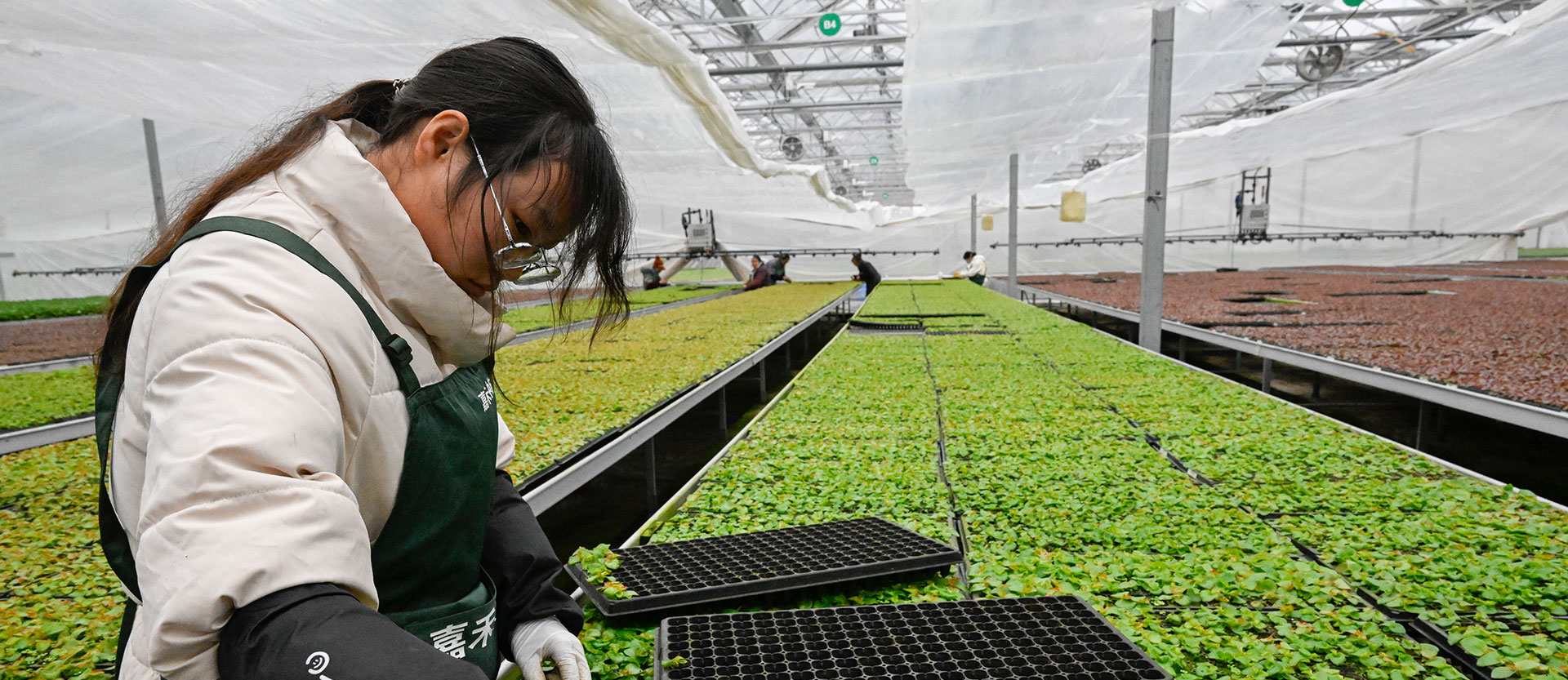

© FAO/GILLES SABRIE IN CHONGQING, CHINA, A YOUNG EMPLOYEE AT WORK IN THE SMART PLANT FACTORY IN XINGLONG TOWN.
KEY MESSAGES
- Youth is a critical period for biological growth requiring proper nutrition to boost cognitive development with lasting effects on health, academic performance, workforce readiness and earning potential.
- Young people, especially in rural areas, are more likely to experience food insecurity resulting in unhealthy diets and nutrient inadequacy. However, significant and widespread data gaps, particularly in protracted crisis and traditional agrifood systems, hinder understanding of the full scope and severity of these challenges.
- Food insecurity among youth increased from 16.7 percent to 24.4 percent between 2014– 2016 and 2021–2023, driven partially by the COVID-19 pandemic and other crises. This increase widened the existing youth–adult gap and was greater among women and rural populations.
- As youth transition from childhood to adulthood, their autonomy and agency regarding food choices gradually increases enabling them to form dietary habits that often persist into adulthood.
- Youth have to navigate challenging biological and social transitions in changing food environments.
- Any agrifood systems transformation that is not sensitive to the challenges and needs of youth may exacerbate existing diet and nutritionrelated challenges and inequalities, and/or give rise to new ones.
- Co-creating youth-inclusive agrifood systems means placing healthy diets at the centre of transformation, taking into consideration young people's biological and dietary needs, their sociocultural values and aspirations, and ensuring alignment with their economic situation.
INTRODUCTION
A youth-inclusive agrifood system requires the involvement of young people, not just as participants but as drivers of change, equipped with the skills, resources and agency to make meaningful contributions. Ensuring youth are healthy and well-nourished is fundamental to this vision and begins with access to and the consumption of healthy diets.
Today’s youth face significant health-related challenges including food insecurity and a complex malnutrition crisis, characterized by undernutrition, micronutrient deficiencies, and increasing rates of obesity and diet-related non-communicable diseases such as hypertension and diabetes.1–3 In 2023, an estimated 2.33 billion people worldwide were moderately or severely food insecure.4 Most of those affected reside in low- and middle-income countries, which also host the majority of the global youth population.4,5 Rising food prices, projected population growth, climate change-induced agrifood losses, and insufficient nutrition, education, and healthcare are likely to exacerbate these challenges.5–7 These factors could push many youth into highly vulnerable conditions, limiting their ability to access healthy diets and negatively impacting their development, education, health and economic opportunities.8–10 Unhealthy diets jeopardize the capacity of youth to make effective contributions to agrifood systems and undermine their long-term economic stability and earning potential.11,12 Addressing food insecurity and all forms of malnutrition among youth is a crucial step toward empowering young people to contribute to equitable, sustainable and resilient agrifood systems.
Agrifood systems transformation has the potential to foster advancements in agricultural practices, improve market access and promote economic diversification, increasing the availability and accessibility of nutritious and safe food.13,14 At present, however, agrifood systems are transitioning in ways that undermine youth nutrition and do not support healthy diets.15 The widespread availability of unhealthy foods high in sugar, unhealthy fats and salt are displacing traditional diets rich in fruits, vegetables and whole grains, leading to concerning dietary changes even among rural youth.15 These changes are driven partially by the globalization of food markets and aggressive marketing by national and regional food companies targeting young consumers. The convenience of ultra-processed options, coupled with inadequate regulatory measures, makes it challenging for youth to make informed dietary choices, resulting in adverse health outcomes such as obesity and diet-related non-communicable diseases.15
This chapter builds on the conceptual framework introduced in Chapter 1, which identifies food security and nutrition as key outcomes of youth-inclusive agrifood systems transformation. It explores the complex relationships between youth, food security and nutrition within the broader context of agrifood systems transformation. The chapter outlines the nutritional and dietary needs of all youth, emphasizing the risks of food insecurity and malnutrition. It also examines the current state of food security and nutrition among youth, disaggregated by gender, age, geographical location and agrifood system type. Where available, evidence on rural youth nutrition in agrifood systems is emphasized while noting persistent data gaps on dietary intake, particularly from protracted crisis and traditional agrifood systems, and the need for disaggregation of data by sex, age and geography (urban vs rural).16 Lastly, the chapter presents key sociocultural and economic considerations to guide policies and programmes aimed at improving food security and nutrition outcomes for young people.
NUTRITIONAL CONSIDERATIONS FOR YOUTH-INCLUSIVE AGRIFOOD SYSTEMS TRANSFORMATION
YOUTH IS A PERIOD OF SIGNIFICANT BIOLOGICAL CHANGE REQUIRING PROPER NUTRITION
Proper nutrition from preconception through early adulthood is crucial for healthy growth, development and long-term health. Changes in body composition, including bone, muscle and fat distribution affect long- term metabolic, muscular and skeletal health. Linear growth begins before birth, with bone mass peaking at 20–30 years, followed by gradual bone loss later in life, with females experiencing a period of rapid bone loss during menopause.17, 18 Young females typically grow taller earlier than males, but young males tend to gain more muscle.19 Skeletal muscle growth continues to develop throughout youth, with muscle development peaking in the 30s for males and 40s for females (Figure 5.1).20
Brain development also continues well into a person’s mid-20s, especially in areas responsible for decision-making, impulse control and planning. The extent of development is influenced by hormones, myelination (Figure 5.2)21 and other biological systems19 as well as lifestyle factors such as diet, activity levels and overall health. The brain remains highly adaptable or “plastic” to social, learning, and nutritional environments.19 While this process enhances the ability to learn and adjust to new experiences, it also makes young people more vulnerable to negative influences such as poor nutrition.19 Additionally, while the immune system functions similarly to that of adults, by late childhood it undergoes sex-specific hormonal changes during puberty and into youth.19 By the end of puberty, the body reaches full physical maturity, preparing for reproduction. Sexual maturation and social relationships during youth are critical for future parenthood, as reproductive health is best when physical, mental, social and emotional development is fully complete.19 Cumulatively, these factors indicate that youth, especially the period from 20 to 24 years, represents a critical phase of development with the potential to shape lifelong health and well-being.
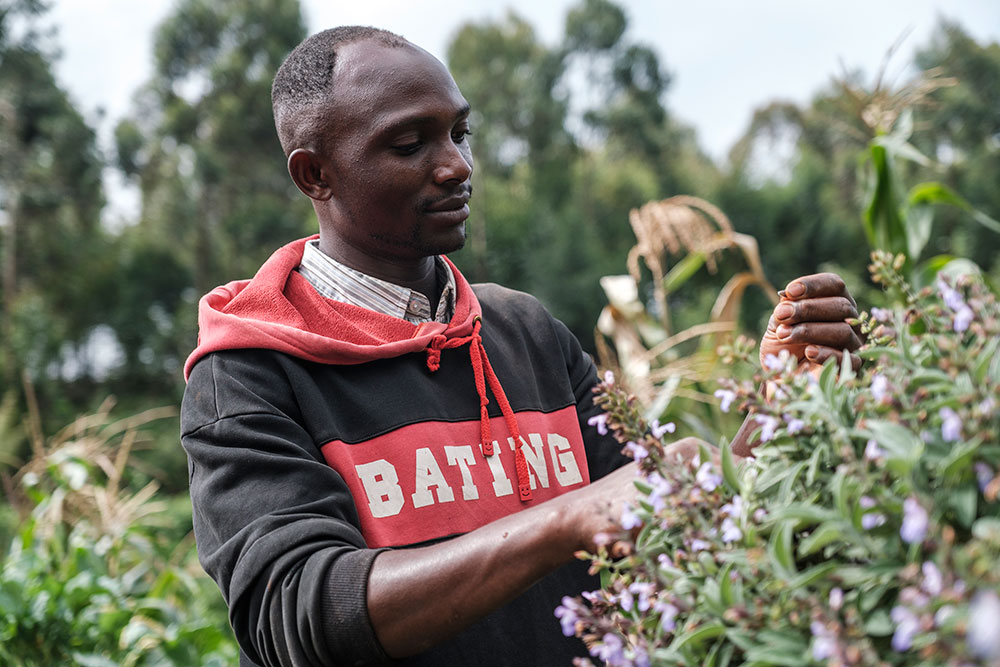
©FAO/EDUARDO SOTERAS IN NAIROBI, KENYA, A YOUNG FARMER TENDS TO HERBS.
Figure 5.1
SKELETAL MUSCLE GROWTH PEAKS IN THE THIRTIES FOR MALES AND FORTIES FOR FEMALES

Note: Total muscle mass refers to the total amount of muscle tissue in the body. ASM (kg) refers to a skeletal muscle mass index that comprises the sum of muscle mass in the arms and legs, adjusted for body size.
Source: Adapted from Kim, K.M., Jang, H.C. & Lim, S. 2016. Differences among skeletal muscle mass indices derived from height-, weight-, and body mass index-adjusted models in assessing sarcopenia. The Korean Journal of Internal Medicine, 31(4): 643–650. https://doi.org/10.3904/kjim.2016.015. Data on age trends in total muscle mass and appendicular skeletal muscle (ASM)* indices of 28 476 males and females are drawn from the Korea National Health and Nutrition Examination Survey 2008–2010.

©FAO/LUIS TATO IN SIAYA, KENYA, SARAH JUMA, A MEMBER OF THE COMMUNITY-BASED GROUP SIDIPO, HOLDS FRESHLY HARVESTED MANGOES AT HER HOME, REFLECTING THE VITAL ROLE OF YOUNG WOMEN IN STRENGTHENING RURAL AGRIFOOD SYSTEMS.
Figure 5.2
YOUTH SPANS SENSITIVE PERIODS OF BRAIN DEVELOPMENT
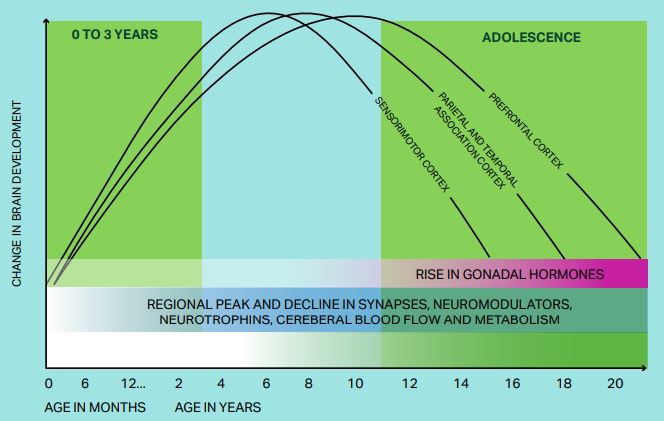
Source: Gee, D.G. & Casey, B.J. 2015. The impact of developmental timing for stress and recovery. Neurobiology of Stress, 1: 184–194. https://doi.org/10.1016/j.ynstr.2015.02.001

DUE TO RAPID PHYSICAL GROWTH AND ACTIVITY, YOUTH DIETARY NEEDS DIFFER FROM OTHER AGE GROUPS.
Adequate nutrition is needed to support the biological changes that occur as youth transition from childhood to adulthood.19 Nutrients are the essential substances the body needs for growth, development and function. Macronutrients (those required in larger amounts), including carbohydrates, proteins and fats, provide energy and are essential for muscle and organ development. Micronutrients (those required in smaller amounts), including over 20 essential vitamins and minerals, are critical for proper functioning of all body systems, including brain development and immune system function.22 Inadequate, unbalanced or excessive nutrient intake results in visible forms of malnutrition (e.g. low or excess weight), but also in functional changes in the body that may not be easily detected (e.g. changes in organ and brain development, and immune function, among others).19
Youth have greater dietary energy and nutrient (see Table 5.1 and Table A5.2 in the Appendix 5) needs than other age groups due to rapid physical growth and activity. Their need for nutrients such as calcium, zinc and iron is especially high.16 These micronutrient density needs are even greater for adolescents (10–19 years), adolescent girls, youth (15–24 years), and pregnant and lactating females relative to the global average across all life stages (see Box 5.1).23
TABLE 5.1
YOUTH HAVE HIGHER DIETARY NUTRIENT NEEDS THAN OTHER AGE GROUPS

Note: An Estimated Average Requirement (EAR) is the average daily nutrient intake level estimated to meet the requirements of half of the healthy individuals in a group. EARs for youth (15–24 years) are shaded in green for males and orange for females. EARs have not been established for vitamin K, pantothenic acid, biotin, choline, chromium, fluoride, manganese, potassium, sodium, chloride or other nutrients not yet evaluated via the dietary reference intakes process.1Niacin equivalents (NE): 1 mg of niacin = 60 mg of tryptophan.2Dietary folate equivalents (DFE): 1 DFE = 1 μg food folate = 0.6 μg of folic acid from fortified food or as a supplement consumed with food = 0.5 μg of a supplement taken on an empty stomach.3Retinol activity equivalents (RAEs): RAE = 1 Rg retinol, 12 Rg G-carotene, 24 Rg F-carotene, or 24 Rg G-cryptoxanthin. The RAE afor dietary provitamin A carotenoid is twice that of retinol equivalents (RE), whereas the RAE for preformed vitamin A is the same as RE.4F-tocopherol: F-Tocopherol includes RRR-F-tocopherol, the only form of F-tocopherol that occurs naturally in foods, and the 2R-stereoisomeric forms of F-tocopherol (RRR-, RSR-, RRS- and RSS-F-tocopherol) that occur in fortified foods and supplements. It does not include the 2S-stereoisomeric forms of F-tocopherol (SRR-, SSR-, SRS- and SSS-F-tocopherol), also found in fortified foods and supplements.
Source: : Institute of Medicine (US) Panel on Micronutrients. 2001. Dietary reference intakes for Vitamin A, Vitamin K, Arsenic, Boron, Chromium, Copper, Iodine, Iron, Manganese, Molybdenum, Nickel, Silicon, Vanadium, and Zinc . Washington, DC, National Academies Press. http://www.ncbi.nlm.nih.gov/books/NBK222310
PROPER NUTRITION DURING YOUTH SUPPORTS LONG-TERM HEALTH, WORKFORCE READINESS, AND ECONOMIC PRODUCTIVITY.
Ensuring adequate nutrition during the critical youth period has long-term consequences for dietary habits, overall health and human capital. Healthy diets – adequate, balanced, moderate and diverse – ensure strong immunity, proper development and lifelong well-being.25 Chronic undernutrition, especially micronutrients deficiencies, can weaken the immune system.26–28 It can also disrupt cognitive functions and brain development, impair reasoning abilities, delay puberty19 and increase risks of complications during pregnancy and childbirth among young mothers and their offspring.29 Maternal malnutrition – whether undernutrition or obesity – before and during pregnancy influences the growth and health of their offspring as well as the future risk of conditions like diabetes.19 It also increases the likelihood of low birth weight, pre-term birth and stunting, with intergenerational consequences for the health of both mothers and their offspring throughout life (see also Box 5.1 on youth and adolescent pregnancy).19
At the same time, overweight and obesity driven by high fat, sugar and processed diets contribute to chronic inflammation, early puberty19 and long-term risks like diabetes and reproductive issues.19, 30 They can also impair brain function and self-regulation, potentially leading to neurodevelopmental challenges including impulsive behaviours,19, 31 attention disorders, depression and anxiety.32, 33 Overweight and obesity during pregnancy can increase the risk of pregnancy complications, infant morbidities, and future obesity and metabolic diseases in offspring.34, 35
Nutrition also directly impacts educational and economic outcomes. Adequate nutrition enhances cognitive function, leading to better concentration, academic achievement and school completion.36 Higher educational attainment opens doors to better employment opportunities, increasing the likelihood of stable income and access to healthy foods later in life.37, 38 Conversely, malnourished youth often struggle academically due to impaired cognitive development, increased absenteeism and higher dropout rates, which significantly reduce future employment prospects and economic stability.36 Those who enter the workforce malnourished may struggle with physical limitations, low productivity and frequent absenteeism, which reduce their economic contribution.11, 12, 39, 40
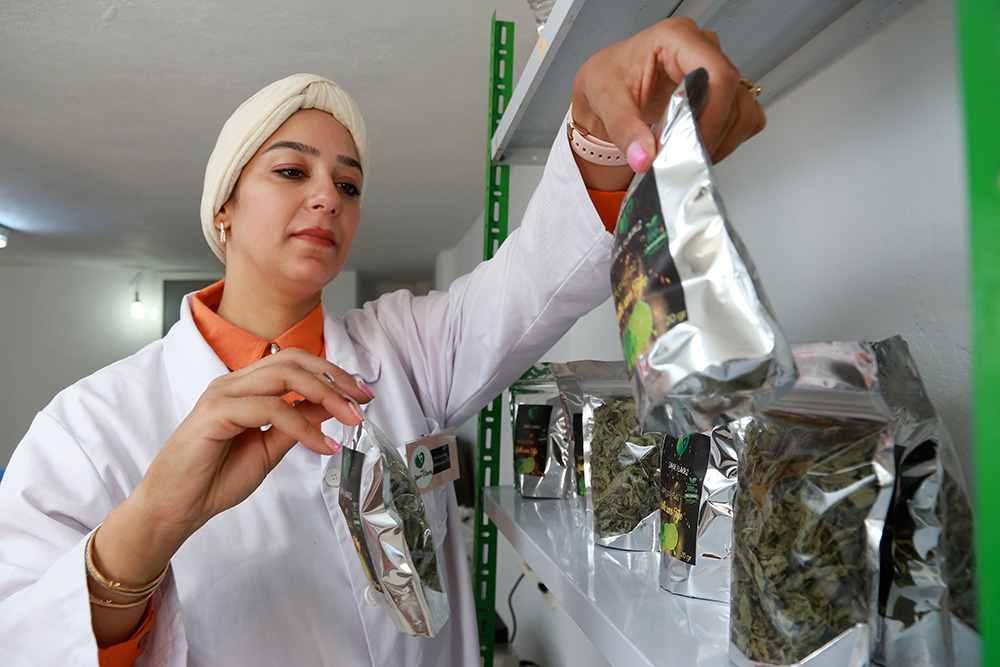
©FAO/ANIS MILI IN BEJA, TUNISIA, YOUNG AGRIENTREPRENEUR AHED MOUSSI ARRANGES PACKETS OF HERBS ON SHELVES AT HER DISTILLATION WORKSHOP, WHERE SHE TRANSFORMS LOCAL HERBS AND FLOWERS INTO HIGH-VALUE PRODUCTS.
Box 5.1
ADOLESCENT AND YOUTH PREGNANCY
Adolescents and pregnant and lactating women have higher daily caloric needs and specific micronutrient requirements. In many countries and across agrifood system types, many women have their first child while still in the younger youth category (15—17), placing specific demands on their nutrition, with implications for their education, livelihoods and health outcomes.
In 2019, there were 21 million pregnancies among adolescent girls aged 15–19. About 50 percent were unintended, resulting in 12 million births.i Ninety-five percent of these occurred in low- and lower-middle-income countries.ii Pregnancy and childbirth carry higher risks for adolescents than older women, including pre-eclampsia, eclampsia, systematic infections, iron deficiency, anaemia and fistulae. These conditions are also associated with negative outcomes for infants including higher rates of pre-term birth, low birth weight, stillbirths and neonatal deaths.ii Additionally, complications from pregnancy and childbirth are a leading cause of death for girls aged 15–19.iii
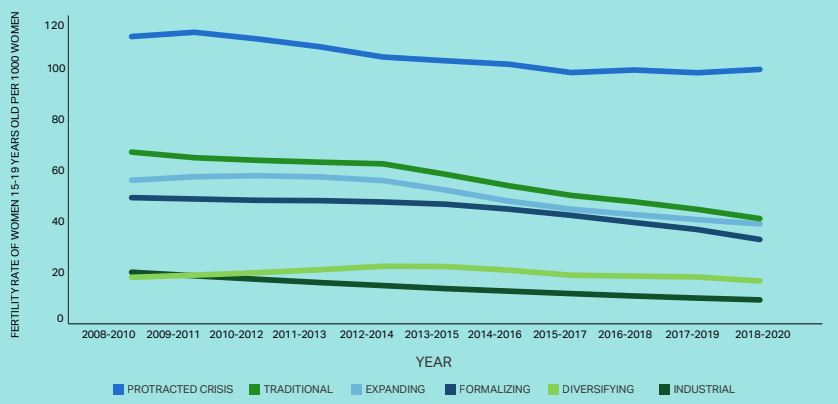
FIGURE A. ADOLESCENT FERTILITY RATES, BY AGRIFOOD SYSTEM TYPOLOGY
The youth population in rural areas is declining, agrifood systems are key to providing incentives for young people to revitalize rural areas. Ensuring youth-inclusive agrifood systems transformation is important both for enhancing youth welfare and building sustainable and resilient agrifood systems. This report provides a comprehensive, evidence-based analysis of the status of youth in agrifood systems. The report focuses on youth's ability to secure decent jobs, food security, and nutrition and resilience against economic and environmental shocks through their participation in agrifood systems. The report analyses generational and intersectional factors that condition the participation of youth in agrifood systems, the challenges they face, and the interventions, policies and approaches that can effectively promote youth engagement in agrifood systems.
Adolescent pregnancy also interferes with schooling, carries stigma, especially if it occurs outside of marriage, and can perpetuate cycles of poverty.iv It is facilitated by declining but still high rates of child marriage (650 million women alive today were married before their 18th birthday).v High rates of poverty, restrictive gender norms, and unmet needs for and knowledge of contraception also contribute to adolescent pregnancy. These pregnancies are more prevalent in low-income countries and rural areas.vi For example, in Zambia, adolescent girls aged 15–19 in rural areas are twice as likely to have given birth as those in urban areas. The percentage of girls in this age group who were pregnant or had already given birth ranged from 14.9 percent in the capital city, Lusaka, to 43 percent in the rural/agricultural areas of the Southern Province.vii
Adolescent fertility rates are highest in countries at the earliest stages of structural transformation, with rates declining as agrifood systems transition (see Figure A). The highest rates are observed in countries facing protracted crises, where early and forced marriages and limited reproductive autonomy are often coping mechanisms in response to displacement and instability, and sometimes constitute an attempt to protect girls and young women from more violence.viii The lowest rates of adolescent fertility are seen in industrial agrifood systems, which aligns with global patterns in more developed countries, where needs for contraceptives are better met, and extended education and delayed family formation are common.
Notes: Refers to the Notes section for full citations.
STATUS OF YOUTH DIETARY INTAKE AND FOOD INSECURITY
YOUTH DIETS ARE OFTEN POOR AND LACK ESSENTIAL NUTRIENTS
The extent of global data on youth dietary patterns is limited with most of the available data coming from industrialized agrifood systems and upper-middle and high-income countries, rather than from traditional agrifood systems or low- or lower-middle-income countries (see Box 5.2). Ethiopia and India are notable exceptions, providing data from traditional agrifood systems. The most comprehensive national dietary data (quantitative and covering the entire diet) are available for Australia, East Asia, Europe, Northern America and South America. There are no data available for many countries in sub-Saharan Africa. The absence of such data undermines the design of effective youth-focused nutrition policies and programmes in many countries.16
DATA GAPS HINDER UNDERSTANDING OF YOUTH NUTRITION, ESPECIALLY IN PROTRACTED CRISIS CONTEXTS.
Available dietary data show poor dietary patterns among youth, often marked by inadequate intake of essential nutrients (see Figure 5.3 and Box 5.3). Typical youth diets are characterized by low consumption of fruits and vegetables and high consumption of carbonated soft drinks and fast food, with differences by region and gender.41–44
Micronutrient intake inadequacies are more common among youth living in East Asia and the Pacific, Latin America and the Caribbean, and South Asia.45 Insufficient intake is most common for vitamin E, iron, calcium and iodine. Vitamin E deficiency is common among young people due to inadequate dietary intake, rapid growth and low vitamin stores from childhood, which can lead to long-term health consequences, including increased risk for non-communicable diseases.46–48 Iron deficiency and anaemia are common among youth aged 10–24, and highest in South Asia and sub-Saharan Africa, although deficiencies in South Asia declined from 1990 to 2015.49 Younger children and adolescents are at risk of zinc and calcium deficiencies due to changes in zinc levels in the blood and increases in calcium demands during growth spurts.50 Insufficient intake of iodine is a concern during youth, with large regional variability.49 Males and younger youth generally present higher micronutrient inadequacies than females and older youth, although the burden of nutrient deficiencies in youth is greater among females.45, 49 Pregnancy in early youth causes an increased risk of developing micronutrient deficiencies to support both the foetus and mother.51, 52
Box 5.2
DATA GAPS
Limited information on adolescent and youth (10–24 years) diets is available in 61.8 percent of countries, with only 11.2 percent of countries recording detailed food intake at the national or subnational level.i When adolescent data are available, 46.4 percent come from high-income countries.i Adolescent diet data from surveillance systems in high-income countries (Australia, Canada, New Zealand and the United States of America) present severe limitations in terms of data quality and comparability.i Less than half (42.8 percent) of papers identified in a systematic review disaggregated their findings by sex and those that did revealed the absence of data on dietary intake among adolescent boys in lower-income countries.i Furthermore, there is a need for data on how modern agrifood systems are affecting youth diets and nutrient intake across regions and different subgroups.
Data scarcity is location-specific, with the least data reported in Africa.i Data on rural youth is even scarcer. The available data on youth nutrition are scattered across various databases, which often consolidate records without providing aggregated data on nutritional indicators. Platforms like the FAO/WHO Global Individual Food Consumption Data Tool consolidate datasets from multiple countries and allow filtering by age range (e.g. 15–24 years) and urbanicity, in order to access data on food consumption, nutrition (e.g. food sources of micronutrients and macronutrients), dietary diversity and environmental factors (e.g. estimated impact of greenhouse gas emissions by food group).ii While efforts are being made to consolidate data sources, at present researchers must search individual datasets, articles or demographic and health surveys to gather information on nutrition indicators of interest.iii–v
Notes: Refers to the Notes section for full citations.

©FAO/JAVID GURBANOV IN BILASUVAR DISTRICT, AZERBAIJAN, A YOUNG BEEKEEPER SERVES HOMEMADE BAKLAVA SWEETENED WITH HONEY FROM HIS OWN HIVES.
Figure 5.3
INTAKE AMONG YOUTH IS INADEQUATE FOR MANY NUTRIENTS
Proportion of younger and older youth with inadequate intake of select nutrients, by sex and region

Source: : Passarelli, S., Free, C.M., Shepon, A., Beal, T., Batis, C. & Golden, C.D. 2024. Global estimation of dietary micronutrient inadequacies: A modelling analysis. The Lancet Global Health, 12(10): e1590–e1599. https://doi.org/10.1016/S2214-109X(24)00276-6
Compounding these issues, excess energy intake has led to a steady increase in the global prevalence of obesity across all sex and income groups, disproportionately affecting those in higher-income groups.53 This trend highlights the dual burden of malnutrition – undernutrition alongside overweight and obesity – that youth face today with rapidly evolving agrifood systems. Health status is becoming progressively worse with the most serious effects observed among lower income youth. As with food insecurity, the risk of poor diets and nutrient inadequacy is not equally distributed across youth, with disparities arising from socioeconomic, regional and gender differences. Socioeconomic status influences diet quality, as youth from lower-income families often consume nutrient-poor, energy-dense foods due to financial constraints.54
DRIVERS OF YOUTH FOOD INSECURITY
Food security is achieved when “all people, at all times, have physical, social and economic access to sufficient, safe and nutritious food that meets their dietary needs and food preferences for an active and healthy life”.22 Food security encompasses food availability, economic and physical access, food utilization, stability over time, agency and sustainability. In recent years, the global prevalence of food insecurity and malnutrition among youth has risen significantly. This rise reflects agrifood systems transitions that do not adequately support healthy diets and are influenced by broader forces such as climate change,7 conflicts,55–57 globalization,6, 22 and migration.58–60 These dynamics alter rural food environments, increasing exposure to processed foods and impacting what and how young people eat.
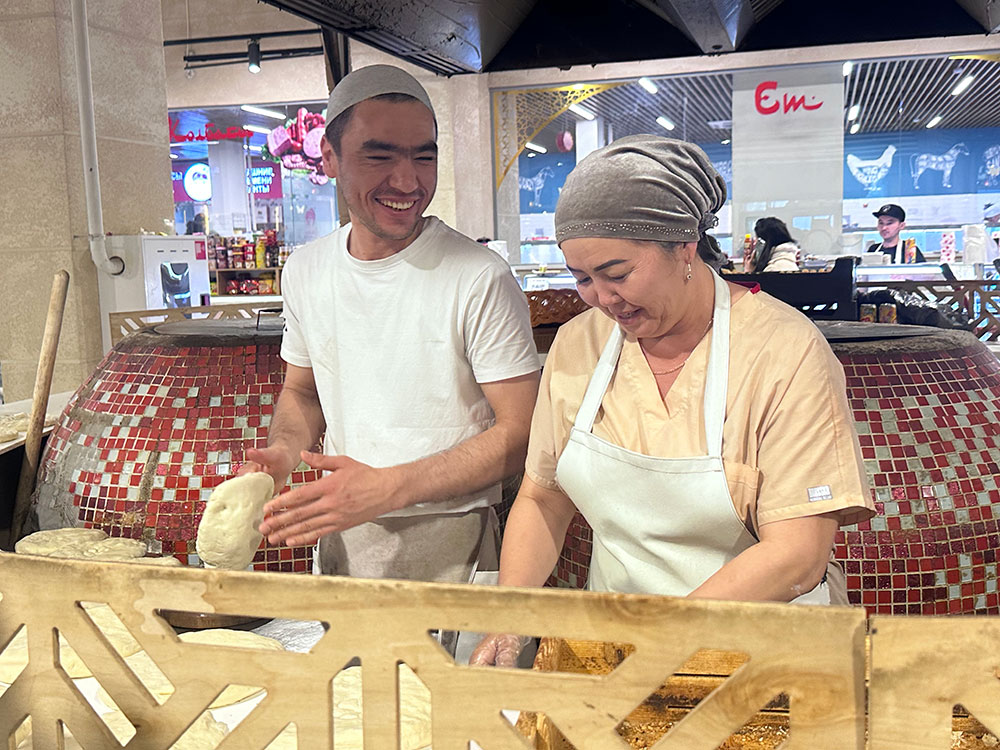
© FAO/MATTIA ROMANO IN ASTANA, KAZAKHSTAN, BREAD MARKET SELLERS MURATZHAM PATTARKULOV AND NAGIMA SERIMKULOVA PREPARE UZBEK TANDYR NAN BREAD COOKED IN A VERTICAL CLAY OVEN, THE TANDYR.
Box 5.3
CONTEXT AND COHORT-SPECIFIC DIETARY TRENDS
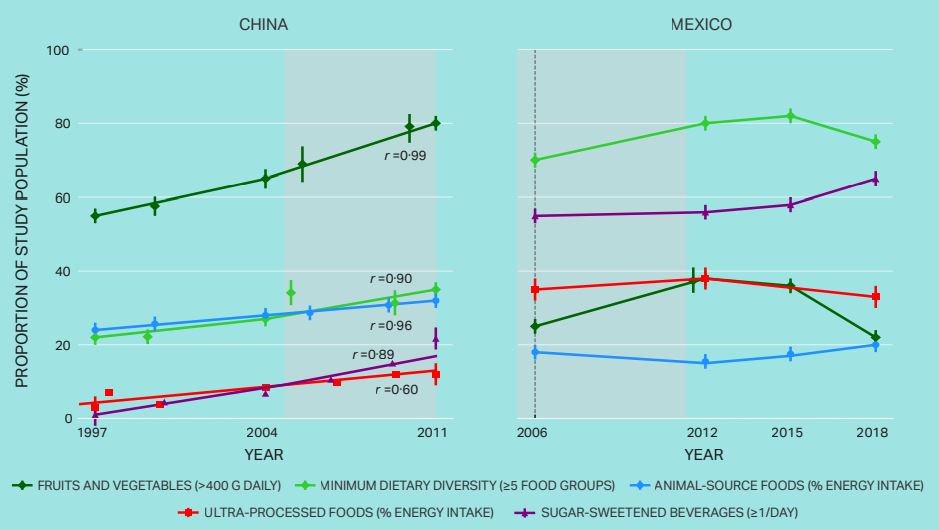
A study of adolescent boys and girls in China (8 015 participants aged 10–19 years, 1997–2011) and Mexico (18 121 participants aged 12–19 years, 2006–2018) reveals changes in common dietary indicators, showing both progress and setbacks in nutrition.i In China, the daily consumption of more than 400g of fruits and vegetables – the amount recommended to reduce the risk of non-communicable diseasesii – increased slowly but remained below half the population by 2011. In Mexico, fruit and vegetable consumption rose between 2006 and 2012 to nearly 40 percent but dropped by 2018, with only one in five adolescents meeting the target.
Dietary diversity in these two countries followed a similar trend. In China, the share of youth consuming five or more food groups daily rose to 80 percent by 2011 (Figure A). In Mexico, minimum dietary diversity remained 70 percent from 2006 to 2015 before declining by 2018. Animal‑source foods persisted as a consistent part of daily diets in both countries, increasing slightly over time and higher in China than Mexico, contributing to less than a third of adolescents’ total energy intake
FIGURE A. DIETARY TRENDS IN CHINA AND MEXICO
Note: Error bars show 95-percent confidence interval. China: bivariate linear regression. Mexico: smoothing splines. r=Pearson’s correlation coefficient (p<0·01). Shaded area represents overlapping years.
Source: Neufeld, L.M., Andrade, E.B., Ballonoff Suleiman, A., Barker, M., Beal, T., Blum, L.S., Demmler, K.M. et al. 2022. Food choice in transition: Adolescent autonomy, agency, and the food environment. The Lancet, 399(10320): 185–197. https://doi.org/10.1016/S0140-6736(21)01687-1
Consumption of ultra-processed foods and sugar-sweetened beverage intake differs between the two countries. Ultraprocessed food contributed to less than 10 percent of energy intake among the study population in China, but nearly 40 percent of the energy intake among the study population in Mexico. For adolescents in China, consumption of at least one sugary drink per day rose from nearly 0 percent to 10 percent of the study population by 2011, whereas for adolescents in Mexico, more than half consumed one or more sugary drink daily in 2006, surpassing 60 percent by 2018.
Notes: Refers to the Notes section for full citations.
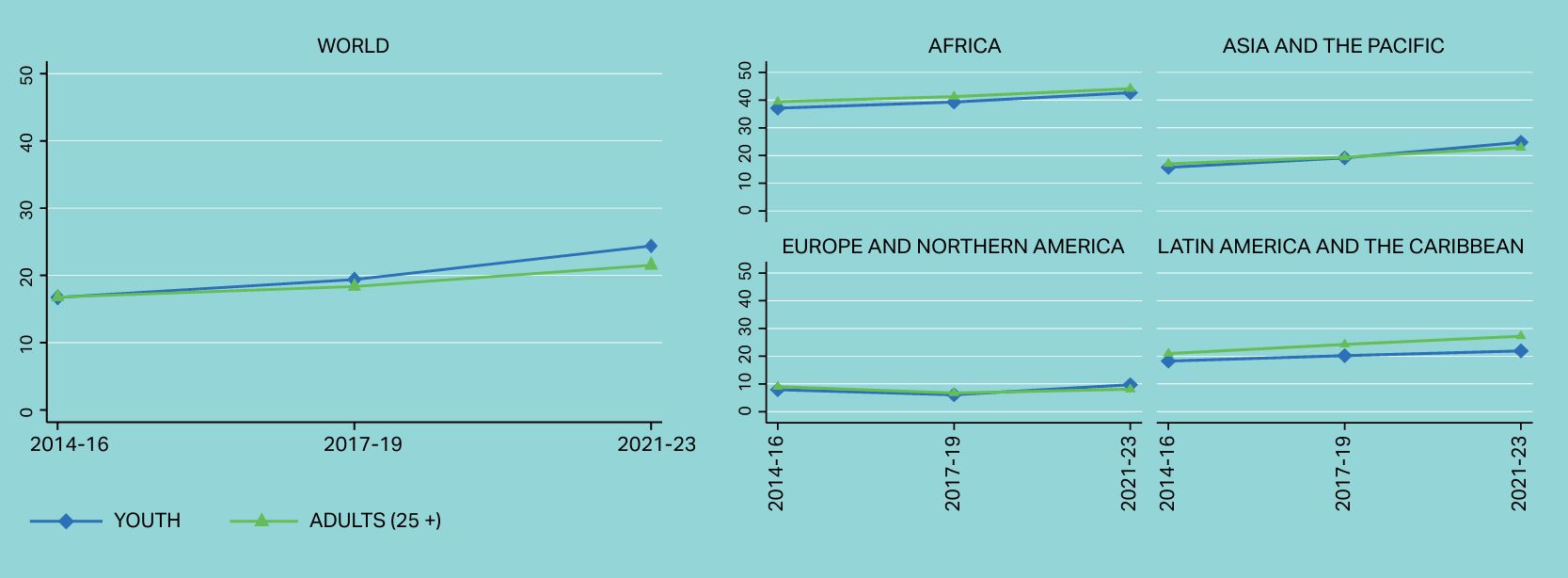
Globally, the prevalence of moderate or severe food insecurity among youth aged 15–24 increased significantly from 16.7 percent in 2014–2016 to 24.4 percent in 2021–2023 (Figure 5.4). This rise among youth outpaced that observed among adults aged 25 and over, whose food insecurity increased from 16.7 percent to 21.5 percent over the same period. This increasing gap between youth and adults is in part attributable to the disproportionate impact of the COVID-19 pandemic on young people.61
FOOD INSECURITY AMONG YOUTH INCREASED FROM 16.7 PERCENT IN 2014— 2016 TO 24.4 PERCENT IN 2021—2023, WIDENING THE YOUTH-ADULT GAP.
Regionally, youth in Africa experienced the highest prevalence of food insecurity both in 2014–2016 (37.1 percent) and in 2021–2023 (42.7 percent), while youth in Europe and Northern America reported the lowest rates, increasing from 8.0 percent to 9.7 percent over the same period (Figure 5.4). Asia and the Pacific witnessed the steepest regional increase in youth food insecurity, rising from 15.7 percent in 2014–2016 to 24.8 percent in 2021–2023. In both Asia and the Pacific and Europe and Northern America, youth food insecurity levels surpassed those of adults in the most recent period (respectively, 24.8 percent versus 22.9 percent, and 9.7 percent vs. 8.1 percent) in 2021–2023.
Figure 5.4
RISK OF MODERATE TO SEVERE FOOD INSECURITY HAS RISEN AMONG YOUTH
Prevalence of moderate or severe food insecurity (%)
Note: Prevalence of moderate or severe food insecurity among youth and adults (25+). The prevalence is adjusted to account for the global youth and non-youth population.
Source: : Macchioni. G.A., Mane E., Viviani, S. & Cafiero, C. (forthcoming). Youth vulnerability to food insecurity: Evidence from 141 countries. ESP Working paper series. Rome, FAO.
The likelihood of experiencing moderate or severe food insecurity varies with age. Youth aged 15–24 have the highest probability of experiencing food insecurity compared to all other age groups. A gender gap is evident across all age groups but is less pronounced among younger youth (aged 15–17) than older youth (aged 18–24) (Figure 5.5A). Among males, food insecurity remains relatively stable throughout youth and declines with age in adulthood. In contrast, among females, food insecurity increases steadily through adolescence, peaking in the mid-20s before declining in later adulthood.
Rural populations face higher levels of food insecurity than their urban counterparts. For rural males, the probability of food insecurity peaks in the early 20s, while for rural females, it peaks in the mid-20s (Figure 5.5B). The gender gap in food insecurity persists across all age groups and is more pronounced in urban areas, where it reaches the highest levels among adults in their mid-30s to early 60s. Among younger youth, this gap is comparatively smaller, indicating age-specific dynamics at the intersection of gender, location and vulnerability to food insecurity
Figure 5.5
RISK OF MODERATE TO SEVERE FOOD INSECURITY IS HIGHER AMONG YOUTH, FEMALES AND RURAL POPULATIONS
Age-specific predicted probability of moderate and severe food insecurity in 2021–2023, (A) by gender, (B) by gender and urban and rural location, and (C) by agrifood system typology

Note: Based on an analysis of individual-level data from 141 countries collected by FAO through the Gallup World Poll from 2014 and 2023. The graphs present data-driven predictions of the probability of experiencing moderate or severe food insecurity, estimated using a fractional polynomial of age. This probability for each cohort shown is not directly comparable to official aggregated statistics available in FAOSTAT. Additionally, weighting applies within each country but not at the global level.
Source: Macchioni. G.A., Mane E., Viviani, S. & Cafiero, C. (forthcoming). Youth vulnerability to food insecurity: Evidence from 141 countries. ESP Working paper series. Rome, FAO.
The relationship between food insecurity and age varies substantially across agrifood systems for both women and men (Figure 5.5C). Agrifood systems at the early stages of transition, such as protracted crisis and traditional systems, exhibit the highest prevalence of food insecurity. In protracted crisis agrifood systems, food insecurity displays the greatest age-related variation, peaking at approximately 65 percent among individuals in their 30s before declining sharply after age 40. In traditional agrifood systems, food insecurity also peaks in the 30s, reaching around 60 percent, but remains above 50 percent across older age groups.
In agrifood systems undergoing intermediate stages of transition, such as expanding systems, and diversifying systems, the probability of food insecurity increases more steeply with age, peaking in the 30s and then declining in later adulthood. In both agrifood systems categories, women are significantly more likely than men to experience food insecurity. As agrifood systems continue to transition, the problem of food insecurity decreases. In formalizing agrifood systems, the risk of food insecurity is relatively low in youth, with minimal gender disparities up to age 20. However, gender differences emerge in early adulthood, with women facing higher and increasing probabilities of food insecurity through lates stages of life. In industrial agrifood systems, youth, and particularly young women, face a greater probability of food insecurity.
SOCIOCULTURAL AND ECONOMIC INFLUENCES ON YOUTH DIETS
Beyond its nutritional value, food helps youth to navigate their social world.63 Youth diets evolve as they transition through different social relationships and environments, shifting from parental influences to that of their peers and partners.16, 64–73 While independence generally increases with age, the ability to make informed and independent food choices –– known as autonomy and agency – develops throughout youth and beyond. This process is also mediated by various social and structural factors.74, 75 Between the ages of 14 and 24 years, brain development, particularly in areas responsible for decision-making (myelination of the medial prefrontal cortex), strengthens youth’s ability to form personal preferences and make more confident choices (Figure 5.6).76 However, food-related decisions are not made in isolation. Social and cultural norms, access to resources, and personal factors such as gender, birth order and socioeconomic status, all shape the ability of youth to make independent food-related decisions.16, 63, 68, 77–84 This section discusses the social, cultural and economic influences shaping youth diets, to help guide policies and programmes that promote healthy eating habits and address barriers to nutritious food access.
YOUTH DIETS EVOLVE AS THEY TRANSITION THROUGH DIFFERENT SOCIAL RELATIONSHIPS AND FOOD ENVIRONMENTS.
Figure 5.6
FOOD-RELATED AUTONOMY AND AGENCY CHANGE WITH AGE BUT ARE INFLUENCED BY SOCIOCULTURAL AND STRUCTURAL FACTORS

Source: Adapted from Glover, D. & Sumberg, J. 2020.80 Youth and food systems transformation. Frontiers in Sustainable Food Systems, 4:101. https://doi.org/10.3389/fsufs.2020.00101 Adapted from Patton, G.C., Sawyer, S.M., Santelli, J.S., Ross, D.A., Afifi, R., Allen, N.B., Arora, M. et al. 2016. Our future: a Lancet commission on adolescent health and wellbeing. The Lancet, 387(10036): 2423–2478. https://doi.org/10.1016/S0140-6736(16)00579-1, showing the development of autonomy across the life course.
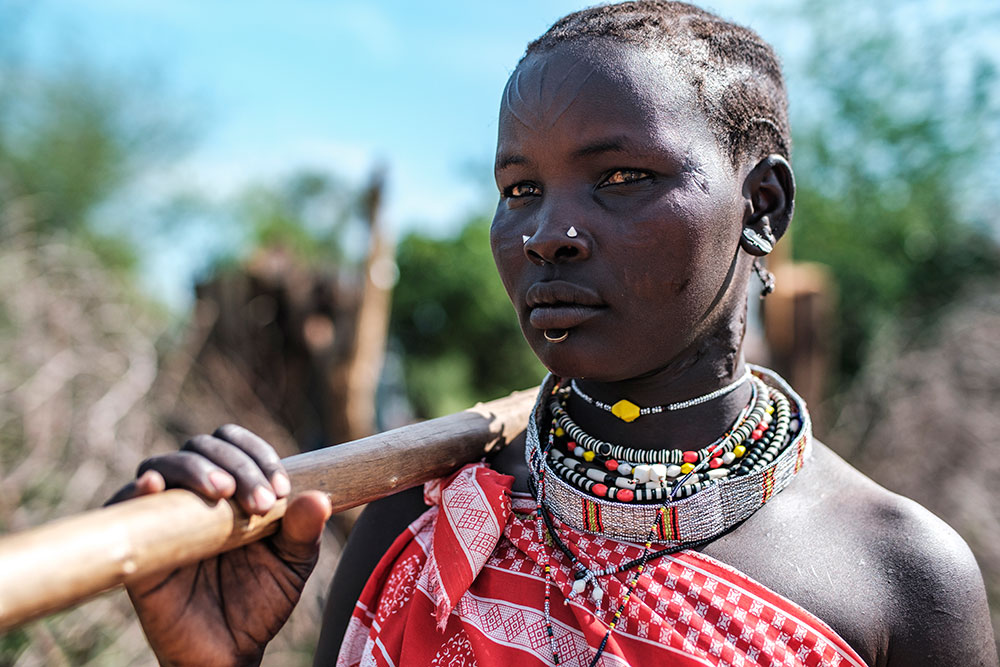
©FAO/EDUARDO SOTERAS IN KAPOETA, SOUTH SUDAN, YOUNG FARMER LORIKA AMONI STANDS ON HER FARM IN KOROTI, WHERE SHIFTING TO VEGETABLE CULTIVATION AND SHALLOW WELL IRRIGATION HAS BECOME A VITAL STRATEGY FOR COPING WITH WORSENING WEATHER CONDITIONS.
SOCIAL NORMS AND FOOD CHOICES FOR YOUTH
Early relationships with food, shaped largely by parental practices, play a critical role in how youth classify, process and act on food-related information.86–90 Youth from households where the parents organize the physical and social eating environment and involve their children in decision-making tend to have healthier diets than those from households with strict, parental-dominated parenting styles that limit their child’s independence.91,92 In early adolescence (10–14 years), food choices are largely parent-controlled, shifting toward self-directed choices by middle and late adolescence, when youth form their own eating identities (e.g. healthy, picky, vegetarian).93,94 Autonomy over food choices varies, with youth often exercising more control during mornings (e.g. breakfast), weekends or meals outside the home, while parental influence remains strong during family meals and household purchases.95 Younger youth often perceive food decisions as joint efforts, while parents view them as primarily parental.96
Parents, especially those with greater nutrition knowledge, play a key role in guiding their youth toward healthy decisions.97,98 In Viet Nam, youth aged 15–17 with greater parental monitoring reported healthier eating behaviours.99 Similarly, in Peru, youth described how parental guidance emphasized regular meals, adequate intake of fruits, vegetables and dairy, and limited sugar-sweetened beverages to prevent disease. Eating behaviours formed during youth often persisted into adulthood.
Peer relationships also influence food decisions, either reinforcing or challenging social expectations16 and helping to develop self-regulation.100 Peers shape dietary intentions and behaviours through social pressure95,98 to align with group eating habits.72 For example, sugar-sweetened beverages and unhealthy foods are often consumed with peers during school breaks.101 In traditional agrifood systems, such as rural Bangladesh, young people commonly purchase food from street vendors on their way to and from school. Bringing food from home may lead to mockery or exclusion, while sharing street food is seen as way to bond.102 The effect of peer influence varies by gender, age, self-regulation, type of food and closeness of friendships.73 Susceptibility to peer pressure decreases with maturity as youth develop a stronger sense of self. Stronger self-regulation is associated with healthier eating habits, such as increased fruit and vegetable intake, while poor self-regulation often leads to junk food consumption and sedentary behaviour.103,104
Household dynamics and cultural norms also shape youth diets.105 In many rural areas of LMICs, food is closely tied to family and cultural norms. Shared meals dominate and food behaviours align with tradition, such that in households where one-pot meal preparation is common, the entire family’s diet may accommodate the health needs of a single member.106 As youth enter romantic relationships or become parents, they often shift focus from individual to household nutritional needs. The establishment of new dietary habits can lead to unhealthy eating behaviours, though this risk tends to decrease if mutual support for healthy eating is established.107–110
Parenthood, particularly for young mothers, brings new challenges by shifting priorities from the self to the child. Cultural beliefs and food taboos may dictate what foods pregnant women should or should not be consuming,111, 112 and young parents may rely on family members to navigate their new and challenging life roles.113 In rural areas, youth may take on other caregiving roles, including food preparation for younger siblings while their mothers work.114 Without careful consideration of the unique challenges faced by rural youth, changes in agrifood systems can exacerbate inequities, further limiting access to affordable, healthy food.
Social norms, beliefs and values related to food – such as body image, self-esteem, environmental considerations and health goals – further guide food decisions among youth,115 with these influences varying by socioeconomic status116, 117 and educational attainment.118 In many cultures, gender norms shape how food is distributed within households. While food allocation has become relatively equitable,119 females in South Asia and parts of Africa still receive smaller portions and lower-quality nutrient-rich foods, especially in resource-scarce settings.120, 121 A study of Costa Rican youth found gender stereotypes to be a key determinant of eating habits.122 Consuming large amounts of unhealthy foods was seen as a sign of masculinity, while eating small portions of healthy foods and focusing on body care were associated with femininity. Parents reinforce these norms, particularly by encouraging daughters to control their weight. In some cultures, females are more likely to conform to societal expectations around body image, which may lead to disordered eating,123–125 whereas males are more likely to adopt unhealthy eating behaviours due to social influences,126, 127 particularly as they grow older, aligned with a decline in self-regulation during this developmental stage.128–130
Moreover, economic and social status shape food choices by influencing access and the symbolic value of foods.131 Youth from wealthier backgrounds often prioritize foods that symbolize social status, including those that are often more accessible and socially acceptable in their circles. Youth from economically disadvantaged households tend to prioritize affordability in their food choices. In contexts with pronounced social class distinctions, these patterns are reinforced, influencing not only what foods are consumed but also how food is perceived and valued.132–133 Understanding these social influences on youth diet is crucial for developing policies and programmes that promote healthy eating habits and address barriers to nutritious food access (Chapter 7).
NEW INFLUENCES ON YOUTH DIETS
Globalization, modernization and commercial forces associated with agrifood systems transition shape youth diets by exposing them to new foods and ways of eating.134 Exposure to less nutritious but more affordable and accessible food options, like fast food or vending machines, may compromise diets, especially during developmental years. In urban areas, youth may live independently or with roommates, requiring more autonomous food choices, often prioritizing convenience and cost.83 In rural settings, youth may continue living with family or partners, commonly sharing food responsibilities with less autonomous choices.135 Modernization has led to a shift in food-related taboos and traditions, even in rural areas. For example, in pastoralist communities in the United Republic of Tanzania, youth expressed a desire for novel, packaged foods and new recipes, while elders reported frustration with the devaluation of traditional food practices.134
Social media and digital platforms play an increasingly important role in shaping youth food choices.136 Platforms like TikTok, Instagram and Facebook may positively influence youth eating behaviours137–139 by offering nutrition-related health information, peer support,101, 137, 140–142 and exposure to global dietary trends like veganism or sustainability initiatives such as reducing food waste. For example, youth in Peru reported using the internet as a credible source for health information.101 For youth in rural areas, social media can provide access to nutrition education and peer support that is often unavailable locally, though limited food availability can hinder their ability to act on information. However, impressionable youth are particularly vulnerable to false or misleading information, making social media’s evolving landscape a potential negative influence on food choices. Advances in technology and the high level of investment in research and development targeting advertising at adolescents and youth have amplified the reach and persuasion of unhealthy food marketing,143 unrealistic body ideals137, 141 and extreme eating behaviours (see Box 5.4).144, 145 While evidence is limited, exposure to digital media appears to increase the consumption of unhealthy foods and drinks in Latin American and Caribbean countries.146 Youth are particularly vulnerable to tailored marketing of energy-dense, nutrient-poor foods,147, 148 and many struggle to translate healthy eating intentions into action.147, 149–153 In response, policies are emerging in some contexts to limit food advertisements targeting youth to reduce the negative impact of media on nutritional behaviours.154–156
AGRIFOOD SYSTEMS TRANSITIONS HAVE IMPROVED DIET AFFORDABILITY BUT STILL FALL SHORT OF ENSURING OPTIMAL NUTRITION FOR YOUTH.
Box 5.4
BODY IDEALS INFLUENCE DISORDERED EATING BEHAVIOURS GLOBALLY
Youth and early adulthood mark a period of increased vulnerability to disordered eating in both high- and low-income countries. Although traditionally associated with Western countries, the idealization of thinness as a beauty standard has spread globally through media exposure.i, ii Increased media consumption has contributed to the growing preference for thin body sizes among females and muscular physiques among males, generating body dissatisfaction, even in less globally acculturated communities such as rural Nicaragua.iii
In Africa, larger body sizes for females have traditionally symbolized dignity, health, beauty and wealth,iv whereas thinner body sizes have been preferred for males.v With globalization and media influences, these ideals are shifting towards Western standards.vi, vii In Ghana, this shift has led youth to engage in dieting behaviours to achieve the thinner bodies portrayed in the media,viii where foods and beverages advertisements often feature underweight actors.ii Studies have linked disordered eating to body shape dissatisfaction in Ethiopia,viii higher BMI Z-scores in Denmarkix and perceived social norms in Fiji.x Eating disorders have also been observed among college students in South Indiaxi and are three times more common among college students in Lebanon and Qatar than in the United States of America.xii Family attitudes toward weight, peer pressure, sociocultural norms and perceptions of attractiveness all influence eating behaviours and body concerns.i
Notes: Refers to the Notes section for full citations.
Economic disparities directly affect youth’s dietary decisions.157, 158 Parental education, household income and family structure all influence youths’ ability to achieve financial independence and secure adequate nutrition.159, 160 Youth with educated parents or stable family incomes are often more financially secure,82 enabling them to access and afford healthier diets. Conversely, those from lower-income families may be forced to prioritize energy-dense, cheaper foods that compromise their long-term health.161–163 Migrant youth, especially those from LMICs, often face food insecurity due to unfamiliar food environments, limited financial resources or economic pressures.58–60 The challenges are compounded for rural youth due to economic, geographical and historical barriers, including geographic isolation and limited access to diverse, nutritious foods. Indigenous youth experience additional challenges rooted in historical marginalization, cultural erosion and reliance on nutrient-poor processed foods.164–66
Youth food choices and nutritional outcomes are closely tied to the transition point of the agrifood system in which they live.167, 168 Agrifood systems range from protracted crisis and traditional to highly modernized industrial systems, and determine the availability, affordability and quality of food.167, 169 Evidence indicates that transitions in agrifood systems have made recommended diets more affordable, but that they also fall short of ensuring optimal nutrition and health outcomes for youth irrespective of the stage of transition.167 In traditional agrifood systems, youth food choices are constrained by restricted market access and a heavy reliance on staple crops, leading to poor dietary diversity and common micronutrient deficiencies, particularly among adolescent girls and caregivers.170, 171, 172 As agrifood systems transition – including expanding, diversifying and formalizing agrifood systems – growing market access and an influx of processed foods can diversify diets but also pose risks of both undernutrition and overweight, contributing to a double burden of malnutrition.173, 174 In industrialized systems, youth are embedded in highly commercialized and media-saturated food environments, where food abundance and variety are often greater. Navigating these environments to make healthy choices can be challenging, especially within landscapes dominated by aggressive marketing of unhealthy options. Equitable access to healthy options can also remain elusive, especially for youth from lower socioeconomic groups,
ENABLING HEALTHY DIETS REQUIRES AGRIFOOD SYSTEMS TRANSFORMATION THAT REFLECTS YOUTH NEEDS, VALUES AND ECONOMIC CONTEXT.
contributing to a rise in obesity and non-communicable diseases.167, 175 Characteristics of these agrifood system typologies often coexist within countries, particularly in low- and middle-income countries, leading to fragmented food environments.175 For rural and marginalized youth, the benefits of agrifood systems transition are not always equitably distributed, and their nutritional vulnerabilities may persist or intensify.176–179 Unlike urban areas, access to healthy and diverse food is more limited in rural areas.180 Rural families often purchase food in bulk or from small convenience-type stores with a limited range of food items, in order to avoid long trips to the grocery store. Such habits limit youth exposure to fresh foods and increase their reliance on ultra-processed, nonperishable and often unhealthy foods.171, 172 Addressing these divergent realities requires integrated policy approaches that consider not only food availability, but also the intersection of cultural norms, market forces and socioeconomic inequalities that shape youth food choices and nutritional outcomes.169, 170, 175, 181
Food security and nutrition are critical to both the individual well-being and broader economic development of youth. As agrifood systems transform, they shape not only what youth eat but also how they learn, work and thrive. When well-nourished, youth are better equipped to succeed in school, enter the workforce, and contribute meaningfully to agrifood systems transformation and society at large. As active participants in reshaping agrifood systems, youth hold the potential to drive positive change (see Box 5.5). To effectively deliver on its promise of improved food security and nutrition for youth, agrifood systems transformation must align with young people’s biological and dietary needs, sociocultural values and aspirations, and economic realities. Thoughtful agrifood systems transformation, involving youth as active co-creative agents in the transformation process, is necessary to enable healthy diets for all.
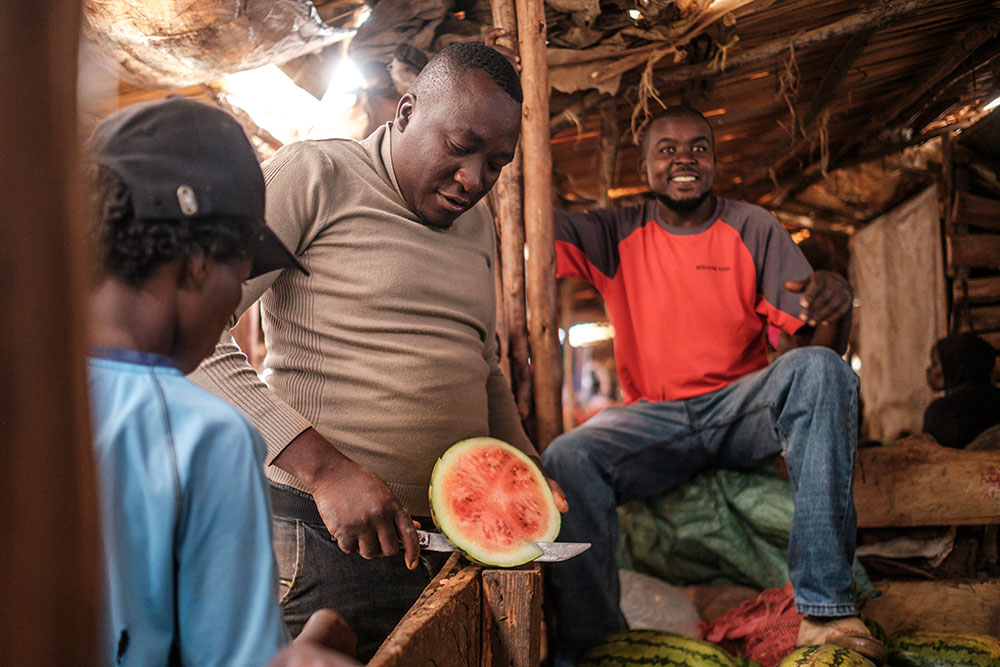
©FAO/EDUARDO SOTERAS IN THIKA, KENYA, A YOUNG AGRIPRENEUR SLICES A WATERMELON AT HIS MARKET STALL, PART OF A NEW WAVE OF YOUTH-LED VENTURES ENERGIZING LOCAL AGRIFOOD MARKETS.
Box 5.5
YOUTH ENGAGEMENT IN AGRIFOOD SYSTEMS TRANSFORMATION FOR FOOD SECURITY AND NUTRITION
Youth play a pivotal role in agrifood systems transformation by introducing innovative practices, advocating for sustainable changes and facilitating economic growth. Their engagement enhances food production, improves access to healthy foods and strengthens food security at both local and national levels.
Uganda’s Young Farmers’ Federation has trained over 35 000 farmers in profitable farming, value addition and sustainable practices. Programmes like the International Young Farmers’ Exchangei expose youth to climate-smart techniques and improved post-harvest handling, reducing food loss and ensuring year-round access to healthy food. The federation links young farmers to financial services, helping them transition from subsistence to agribusiness. Access to modern technologies enhances productivity and minimizes food loss during droughts or economic shocks. Professionalizing farming increases their income and ability to buy nutrient-dense foods.ii
Brazil’s Elixir Foods Initiative is a youth-led startup that transforms cocoa pod waste into a high-value sweetener, providing an innovative model for wealth creation through circular economies. By stabilizing cocoa honey, a previously discarded byproduct, using solar energy and digital sensors, the initiative reduces food waste and increases the availability of less processed sweeteners. New revenue streams for smallholder farmers increase their financial ability to purchase healthy foods.ii, iii
Malawi’s New Achikumbe Elite are educated urban-based youth engaged in commercial agriculture. These young entrepreneurs use digital platforms to access market information, agricultural training and financial services, overcoming traditional barriers to entry. Their focus on high-value, nutrient-rich crops such as legumes and vegetables contributes to diversified diets and improved food availability. Moving beyond subsistence farming helps them to reduce seasonal food shortages, improve household nutrition and enhance agrifood systems resilience. Their success creates employment opportunities, breaking intergenerational cycles of poverty and promoting long-term food security.iv
To enhance food security and nutrition, policies must expand youth access to financial services, business mentorship and market connections. Investing in youth entrepreneurship, cooperatives and value-chain development increases the availability of diverse and nutrient-rich foods, strengthens local production and builds economic resilience. Strengthening youth engagement in agrifood systems is critical for creating more equitable, sustainable and food-secure communities.v
Notes: Refers to the Notes section for full citations.


