info
close
No food business, however small – as is this hatchery in Viet Nam – can ignore biosecurity standards
©FAO

The fragile world of food

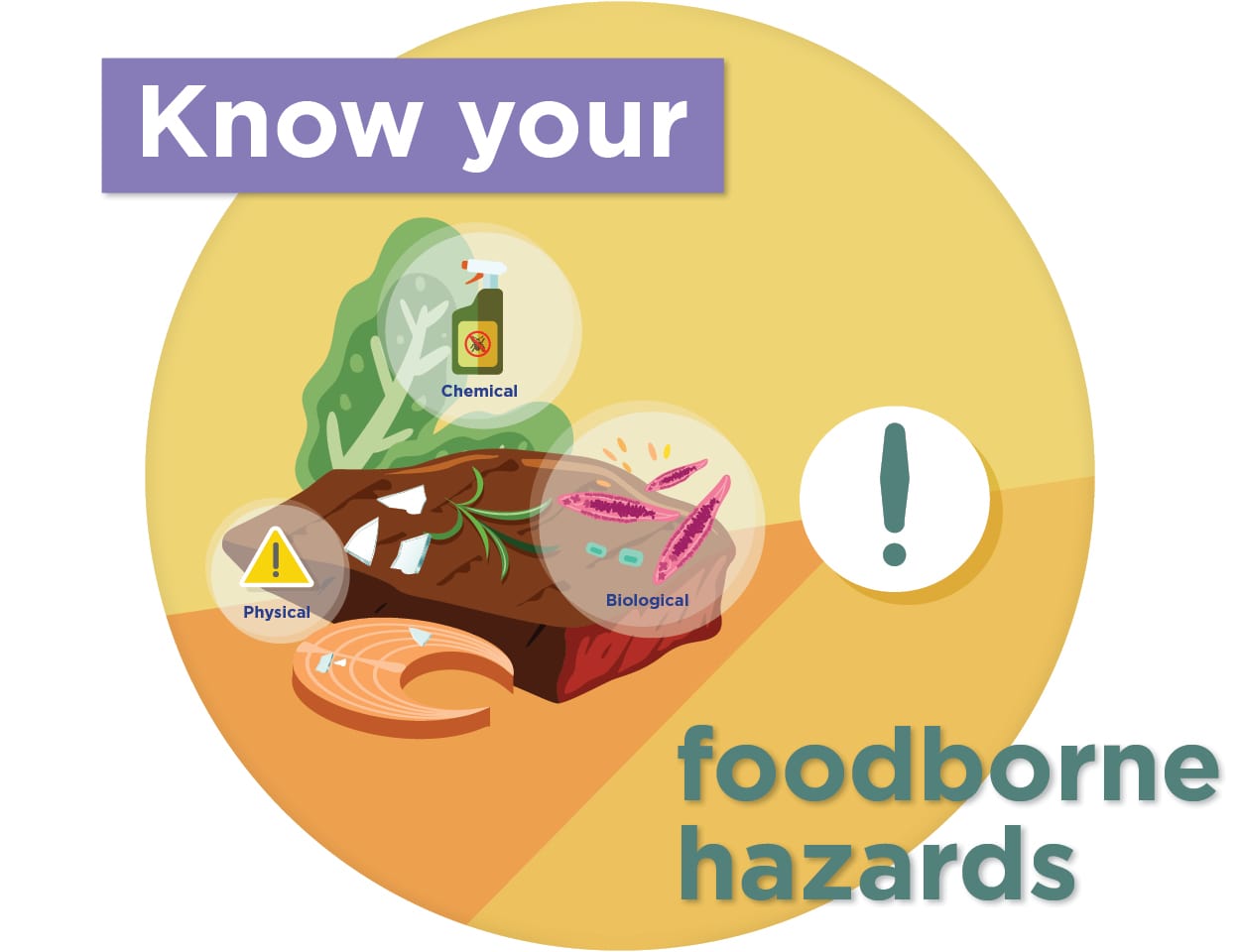
Food safety failures reflect the volatility of an international system fraught with political, environmental and health risk.

Global and national events such as human and animal diseases; the climate crisis; water scarcity; population growth; conflict; and forced migration powerfully demonstrate the interdependence and fragility of agrifood systems.

As many as 600 million people fall sick yearly because of contaminated food; up to 420 000 of them will die. Disruption in one place can quickly reverberate elsewhere, prompting food shortages, skyrocketing food prices and a resurgence of hunger.

Unsafe food hinders economic growth, with annual productivity losses of up to USD 95 billion in low- and middle-income countries.
The way forward and FAO’s mission

The solution starts with adopting sustainable agricultural practices that integrate food safety principles. With a better understanding of food safety, consumers themselves will also play their part in preventing foodborne disease.

Next comes ensuring that as we reduce environmental risk to food, we in turn minimize the impact of food production, processing and transport themselves on the environment: in some countries, the food supply chain may already be overtaking farming as the largest contributor to greenhouse gases.

The pursuit of social equity, with equal access and a voice for rich and poor, is a similarly major concern. As things stand, much of the social and economic cost of unsafe food falls on those who are already in vulnerable situations. With food traded over ever-increasing distances, it is imperative that we make progress on cross-border harmonization of standards.

We at FAO are committed to supporting societal change and technological innovation, backed by scientific evidence, to usher in an era of agrifood systems transformation that puts food safety at its heart.

Safe food is therefore a priority programme area for FAO. It is enshrined in the Strategic Framework 2022–31, and is integral to other priorities. These include transparent markets and trade, and strengthened “One Health” systems that seek to balance and optimize the health of people alongside that of animals, plants and the environment.

stratetic priorities image
food safety illustration

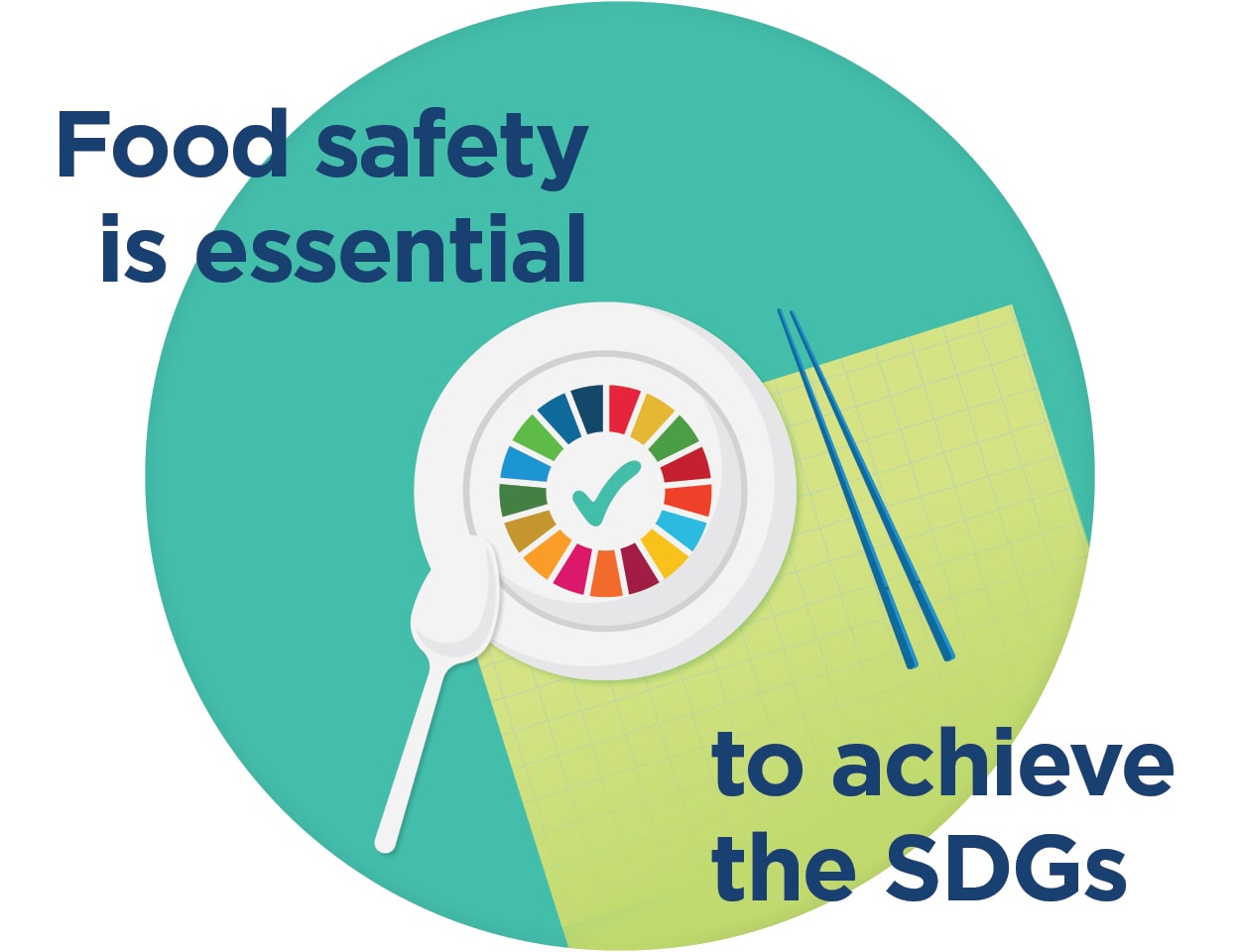
Food safety and the Sustainable Development Goals (SDGs)

The United Nations’ Sustainable Development Goals – the 17 interlinked SDGs – form an action plan for the well-being of people and planet, to be achieved by 2030.

Food safety underpins this vision. Unsafe food and inefficient practices would only drive us further off course in the race to fulfil the 2030 Agenda. By contrast, ensuring safe food for all will bring us that much closer to achieving SDG 2 (Zero Hunger) and other related goals and targets.

This simple correlation drives FAO’s commitment to transform agrifood systems, providing safe food for everyone.

SDG targets directly related to food safety

SDG 2: "End hunger, achieve food security and improved nutrition and promote sustainable agriculture"
  • Ensure universal access to safe and nutritious food (target 2.1)
  • Ensure sustainable food production and implement resilient agricultural practices (target 2.4)
  • Ensure stable food commodity markets and timely access to information (target 2c)

SDG 3: “Ensure healthy lives and promote well-being for all at all ages”
  • End all preventable deaths under five years of age (target 3.2)
  • Combat water-borne diseases and other communicable diseases (target 3.3)
  • Reduce the number of deaths and illnesses from hazardous chemicals, pollution and contamination (target 3.9)
  • Improve early warning systems for global health risks (target 3d)
info
close
Food waste is antithetical to food safety ©Chris Steele-Perkins/Magnum Photos for FAO and ©FAO/Riccardo De Luca
info
close
Food waste is antithetical to food safety ©Chris Steele-Perkins/Magnum Photos for FAO and ©FAO/Riccardo De Luca

Food loss and waste and the question of food safety

The SDGs call for halving per capita global food waste at retail and consumer levels, along with reducing food losses across production and supply chains.

Food safety regulations can reduce loss and waste through measures that prevent spoilage or contamination, or by promoting technologies that prolong shelf-life. If they are excessively strict, regulations may fuel loss and waste by preventing safe food from being absorbed into the market. Equally, a fragmented regulatory environment hinders risk assessment while encouraging non-compliance. Delays in testing for quality at borders, or difficulties acquiring certification, may cause spoilage even where storage facilities are exemplary.

FAO supports the development of national food control systems that can strike the fine balance required here: protecting consumers on the one hand, and avoiding inadvertently exacerbating food loss and waste on the other.

Together with its partners, FAO promotes food safety guidance and legislation that is scientifically accurate and actionable, and helps deliver that dual objective.

back to top back to top